NowBelgiumNow 4
26.09 – 08.11
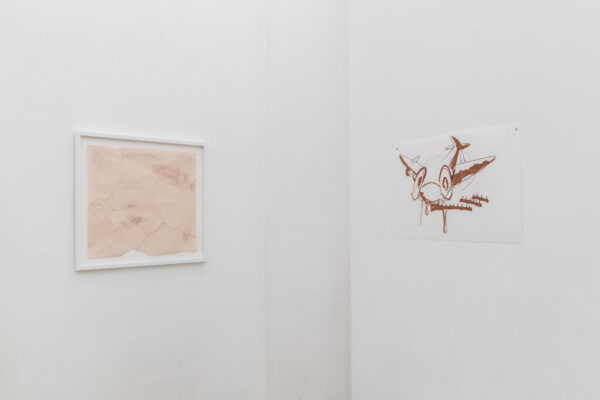
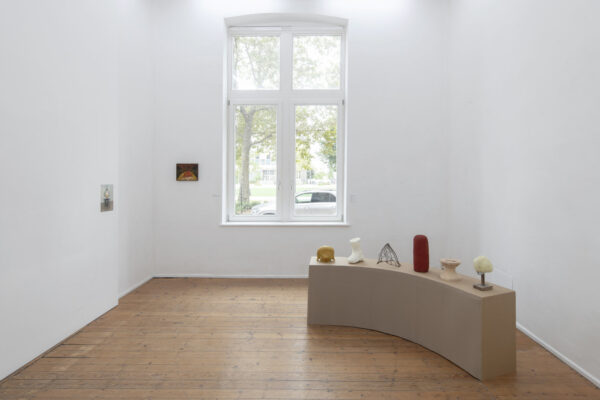
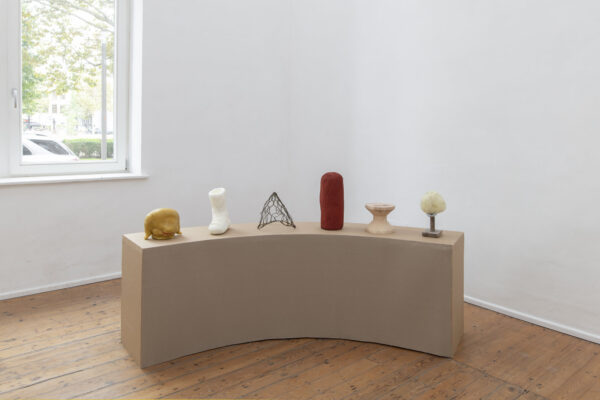
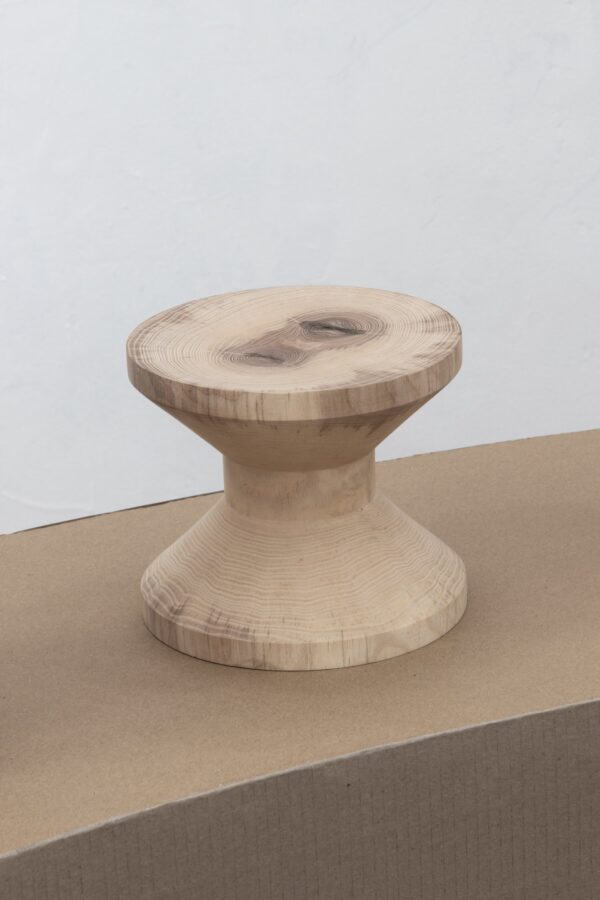
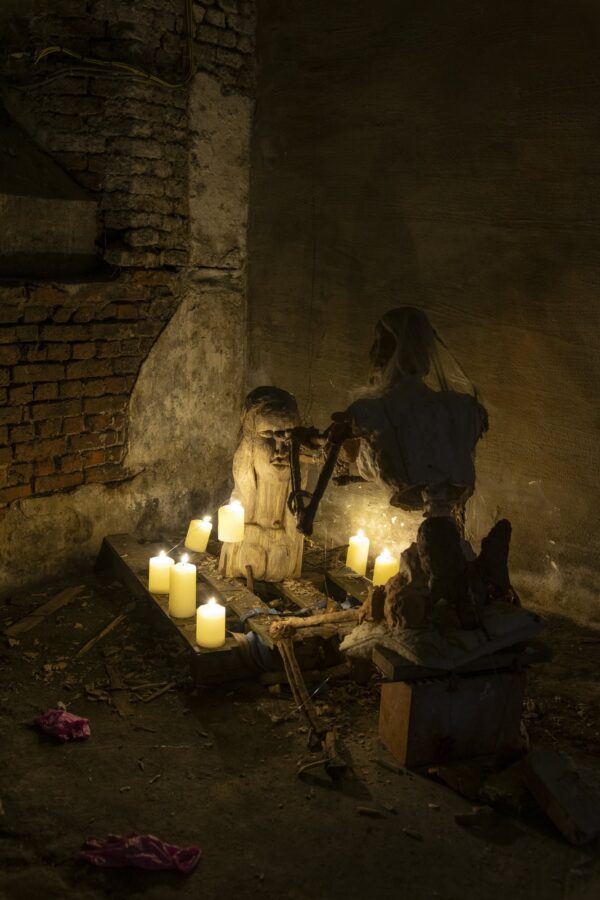
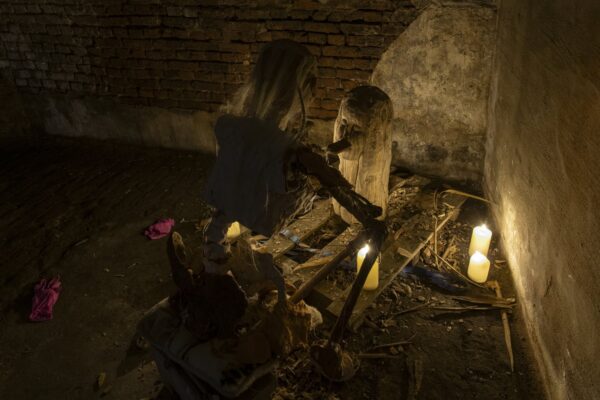
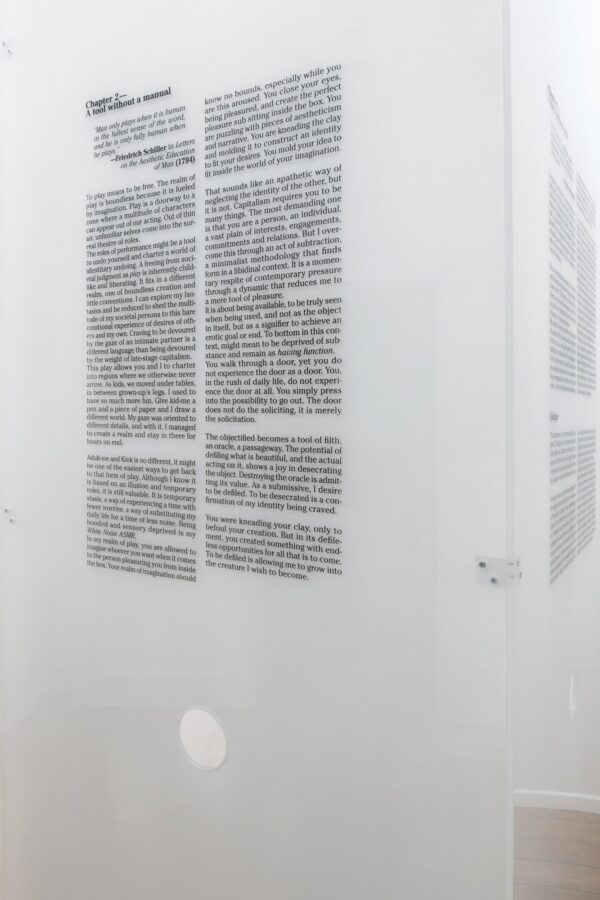
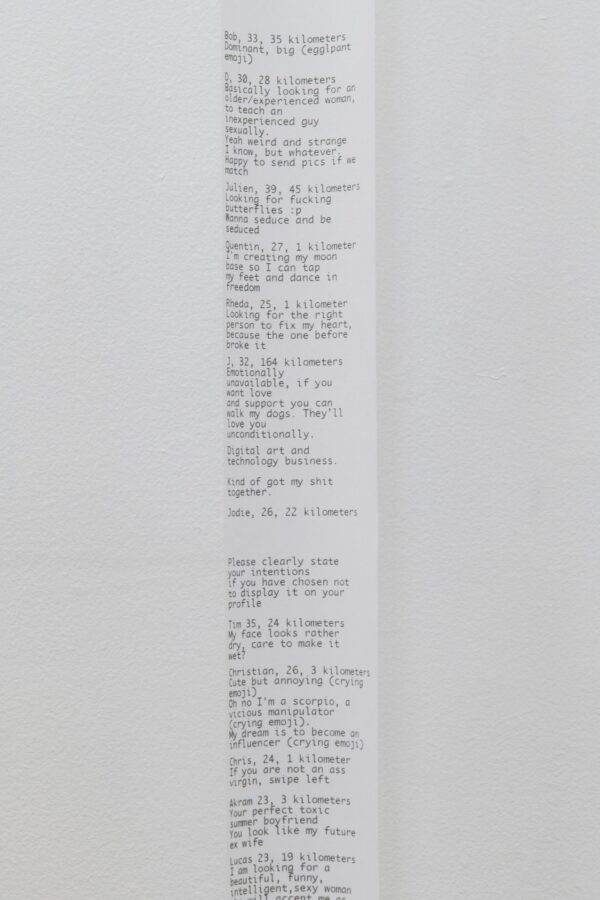
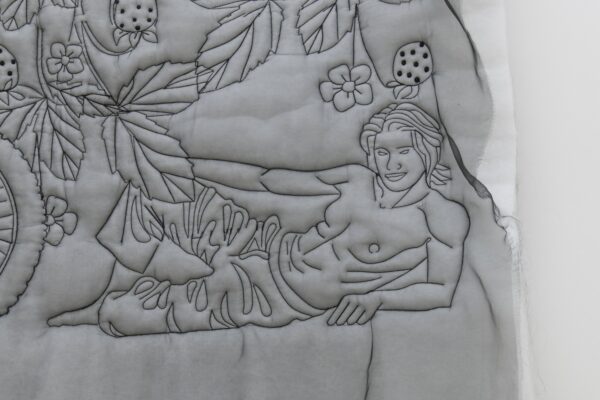
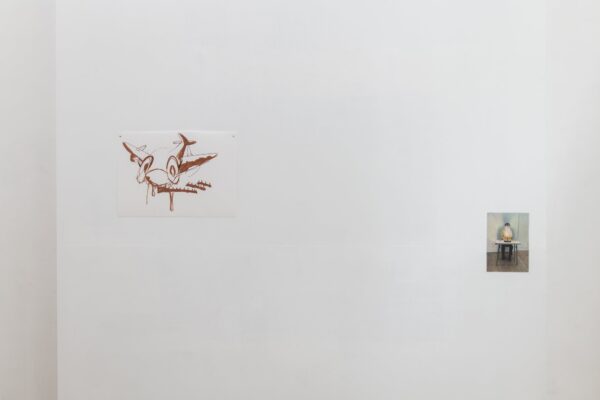
Under the title Oneigentijds – Intempestif – Unzeitgemäss – Unfashionable, KIOSK and LLS Paleis present the fourth edition of NowBelgiumNow, a group exhibition featuring emerging artists and artist collectives from Belgium, invited by Simon Delobel and Stella Lohaus.
Artists
- Réda Faklani
- Carla Martín
- Mey Semtati
- Robin Verslegers and Sybren Janssens
- Émilie Magnan
- Louis Demoulin
- Loïs Soleil
- Ruben De Smet
- Stevie Dix
- Sébastien Bovie
- Juliet Jespers
Practical information
- Opening: Saturday, 26 September 2026, 3-8 p.m.
- Free admission until 8 November 2026
- Venue 1: LLS Paleis, Paleisstraat 140, 2018 Antwerp
- Venue 2: Moonstreet Projects, Maanstraat 17, 2018 Antwerp
- Venue 3: Vlaamsekaai 47, 2000 Antwerp
About the fourth edition of NowBelgiumNow
italics: Stella Lohaus
roman: Simon Delobel
In 2011, Ulrike Lindmayr initiates the exhibition NowBelgiumNow. It is her response to the various requests to “borrow” the space of LLS387 (then still at Lange Leemstraat 387) for graduation exhibitions by students from the Academy of Antwerp and Sint-Lucas respectively. However, she considers showing the work of students from one school to be too one-sided and artistically not exciting enough. Such exhibitions often lack new artistic dialogues, contact with peers from other cities, and, in particular, exchange across language borders.
Out of the conviction that these very aspects could lead to an engaging and multifaceted artistic result, an exhibition emerges that does not start from an institution, but from the artists themselves. After thorough preparation and many studio visits (together with me), the first edition of NowBelgiumNow sees the light of day.
We are now fifteen years on and the artistic landscape has changed considerably. In various Belgian cities, new presentation spaces have emerged, often run by artists or linked to a specific course or institution. At the same time, initiatives that actively work across the boundaries of courses, regions and language communities have become rather rare. This is what still makes NowBelgiumNow unique and relevant: as an opportunity for emerging artists from across Belgium to meet one another and bring their work into dialogue.
There are thematic group exhibitions featuring artists from different language communities, but these often take non-Western or non-European art as their starting point. Unlike NowBelgiumNow, they do not place the emphasis on young artists.
Between August 2025 and February 2026, we visited more than seventy-five artists and artist collectives, spread across almost all the provinces of Belgium. We found them in large studios and small rooms, in shared workspaces, garages, living rooms and former factory buildings. Some had just graduated, while others had spent years working quietly on their own body of work. For this edition, we deliberately also wanted to make room for self-taught artists and late bloomers: artists who do not necessarily develop according to the usual trajectories of visibility, but whose practice has reached a particular maturity and distinctiveness.
Meeting the artists and visiting their studios are the most inspiring and rewarding part of our profession. Getting to know the work in the place where it is created: the smell of turpentine in the painter’s studio, the pungent fumes of polyester from some sculptors, ... And furthermore: so many fascinating interiors, with all the typical strange objects that artists collect and like to surround themselves with: trinkets from flea markets, cheap plastic rubbish from Krak, special shells, bizarrely shaped branches, objects found in nature and in the city, and tables overflowing with sketches. Or with the baby in a Maxi-Cosi behind a curtain dividing the room in two. More than once we were guests in a cold room, barely larger than 10m2, which served as a studio space shared by the artist with a colleague.
Studio visits still form the heart of NowBelgiumNow. They allow us to understand a practice beyond the work on display: through the conversations, experiments, doubts and the context in which a body of work comes into being. At the same time, during these visits we were once again confronted with the often precarious circumstances in which artists live and work today. Yet it is not the story of vulnerability that prevails, but that of remarkable resilience and a continuing need to make art.
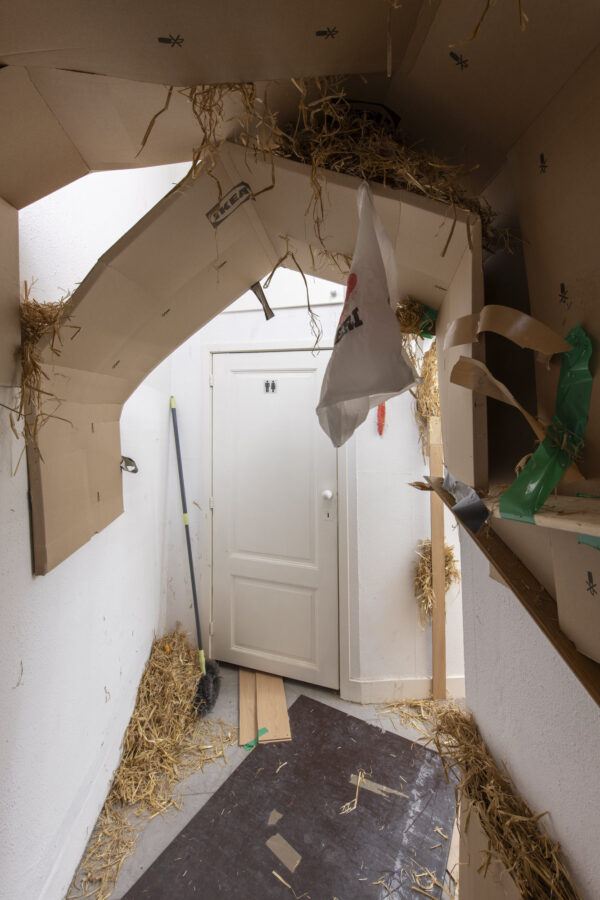
The “hidden” poverty that was still present in previous editions, whether creatively and artistically camouflaged with boxes and worn-out sheets or not, can no longer be concealed. Many young artists are trying to get by on less than the minimum income. Because paying double rent for a home and a studio is unaffordable, working, living and sleeping spaces become one. Some make use of the parental home: the works are in the little room at the back of the garden.
Another striking aspect of this edition was the changed role of social media. For a generation of artists who grew up with the internet, Instagram and online portfolios have become self-evident tools for making work visible and establishing contacts. At the same time, we noticed how great the need remains for a real encounter. The studio visit proves not to be an outdated ritual, but a necessary form of attention: a moment in which the conversation is not directed by algorithms or image selection, but by curiosity, time and mutual trust. The digital and the physical do not exclude one another, but NowBelgiumNow deliberately chooses to place personal conversation at the centre.
We had already observed the trend towards doing more and more online (especially since the Covid epidemic) in the 2021 edition. A physical encounter has now become an exception. This impoverishment of personal contact is now, once again five years later, even more apparent. More and more curators primarily inform themselves through online search terms, and the artists know this, because in order to “serve” them as well as possible, multilingual, downloadable digital portfolios are ready, one click away from the homepage. During some visits, the artist felt so uncomfortable that they asked us what the conventions were: a chair, a glass of water, ...? Many, some of whom had graduated several years ago, said that we were the first curators to visit their studio. Whether or not they were selected to participate in this exhibition, these conversations inspired us and taught us a great deal. We had many fruitful encounters, and in another context with more space and more resources, we might have been able to invite twice as many artists.
When she invited me for this fourth edition, Stella proposed Oneigentijds – Intempestif – Unzeitgemäss – Unfashionable as the subtitle. Not as a description of style, but as an invitation to show work that does not conform to the expectations of the moment. Every artist received the same text prior to the studio visit:
"For this exhibition, no medium is excluded. We want to emphasise that art knows no boundaries and that we do not limit ourselves to traditional forms. The exhibition will be a space where artists can speak freely, uncensored. Without filters. Unexpected ideas. The fourth edition of NowBelgiumNow is not intended to promote consensus or to meet the expectations of an audience, politics or a majority. All this with an open mind and an unconditional space for a diversity of thoughts and visions, expressed in an artistic body of work."
This invitation was not a theme, but a framework within which each artist was completely free to take their own position and submit a specific proposal for a new project.
The subtitle was also intended to encourage the artist not to adopt a “submissive” attitude towards the rules of social media: if it is the case that Instagram bans nudity, erotica or pornography, (religiously) provocative images, discrimination based on origin and scatological language within its algorithm (cf. the increase of so-called “Newspeak”), how impoverished does artistic expression become if irony or parody are absent...? From the visits, however, it became clear that the way in which they present themselves on these platforms (and how they are perceived/judged) is a permanent concern for a large proportion of them. For this generation, the use of ChatGPT or A.I. is part of everyday habits.
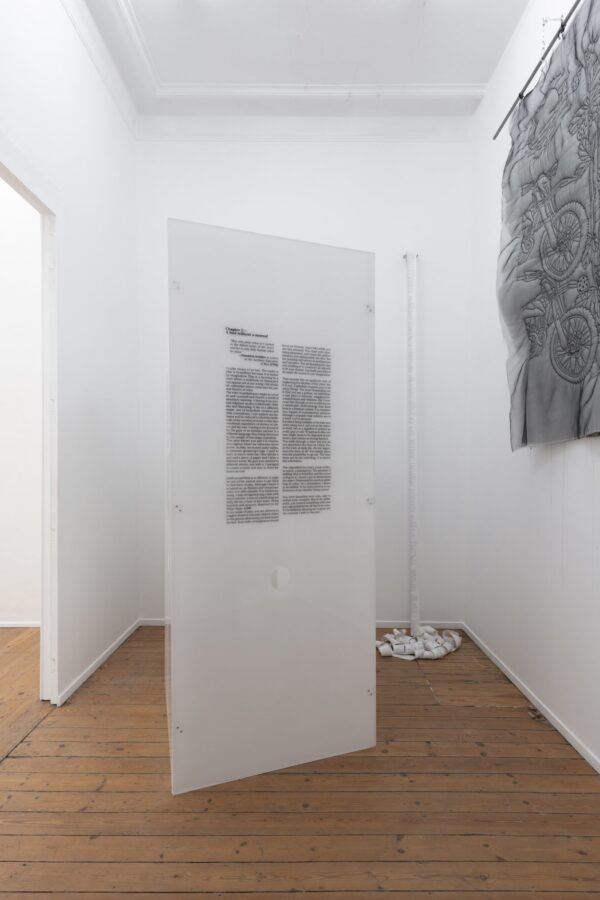
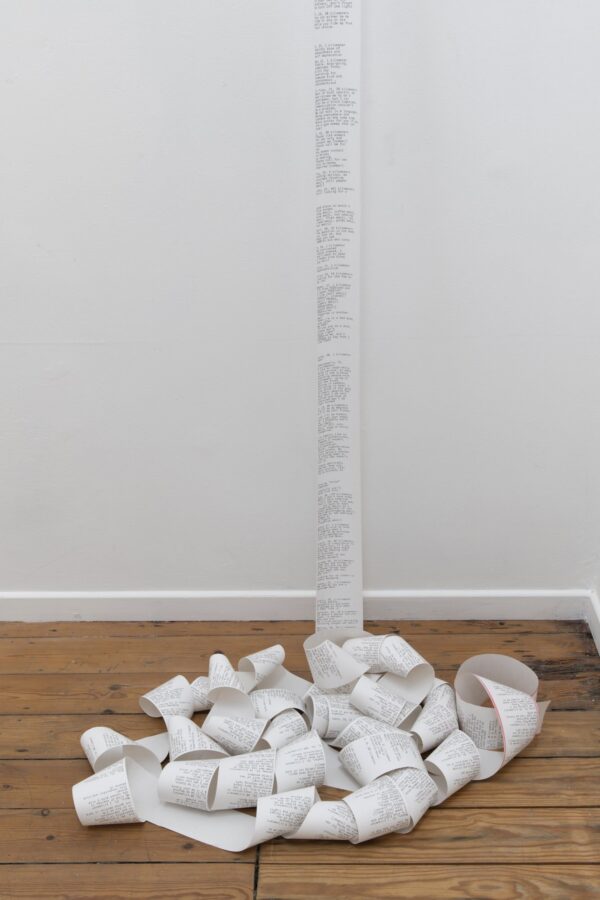
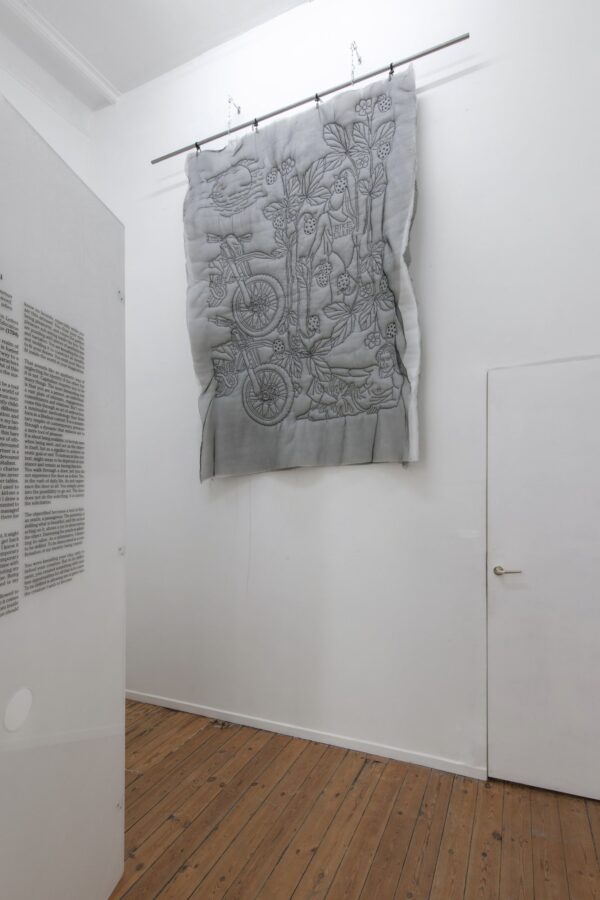
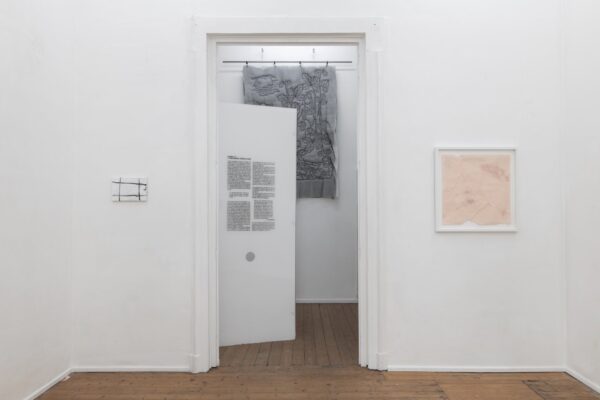
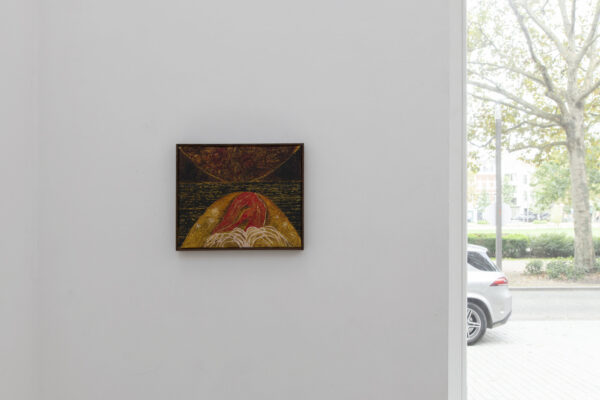
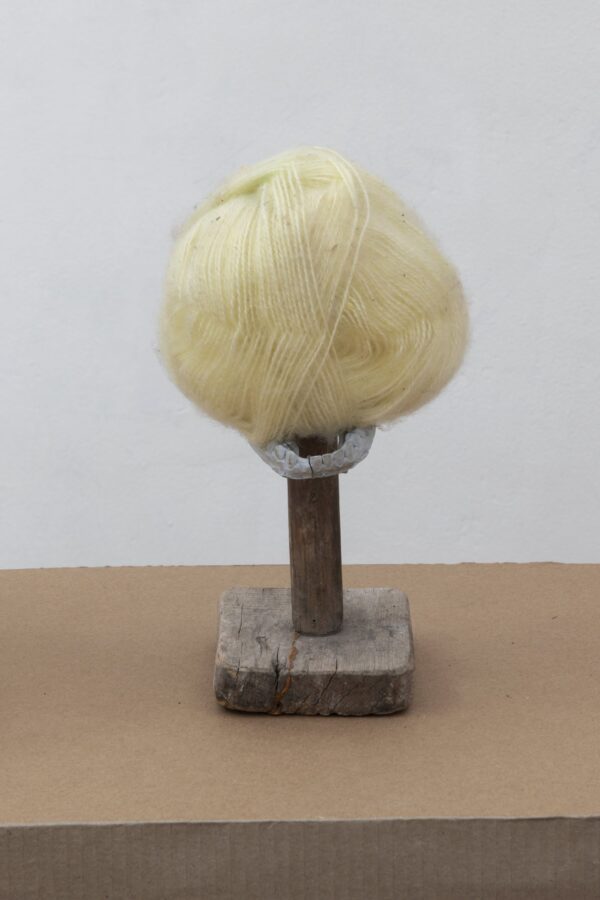
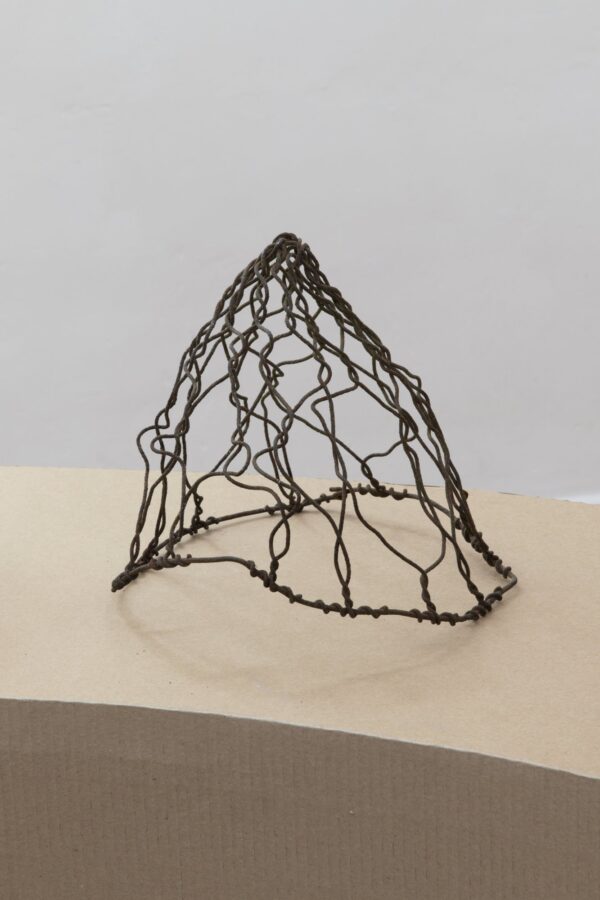
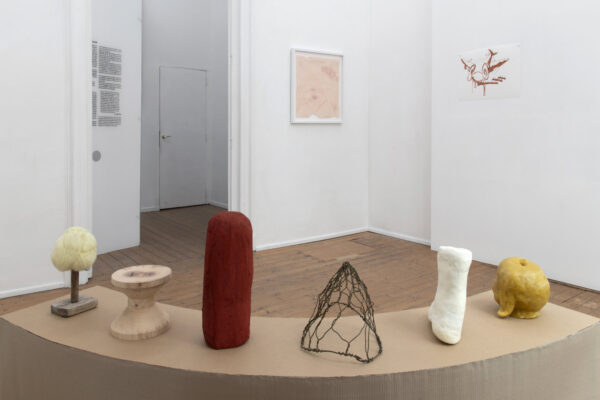
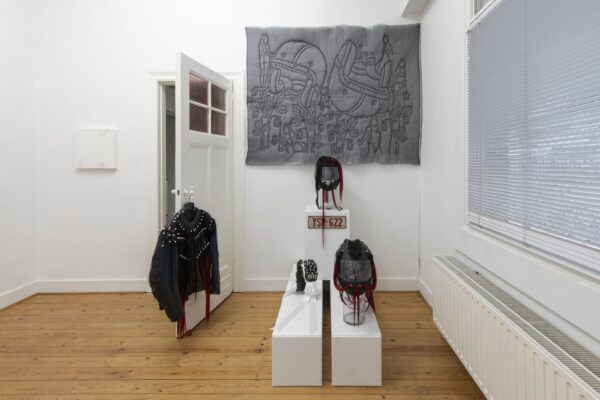
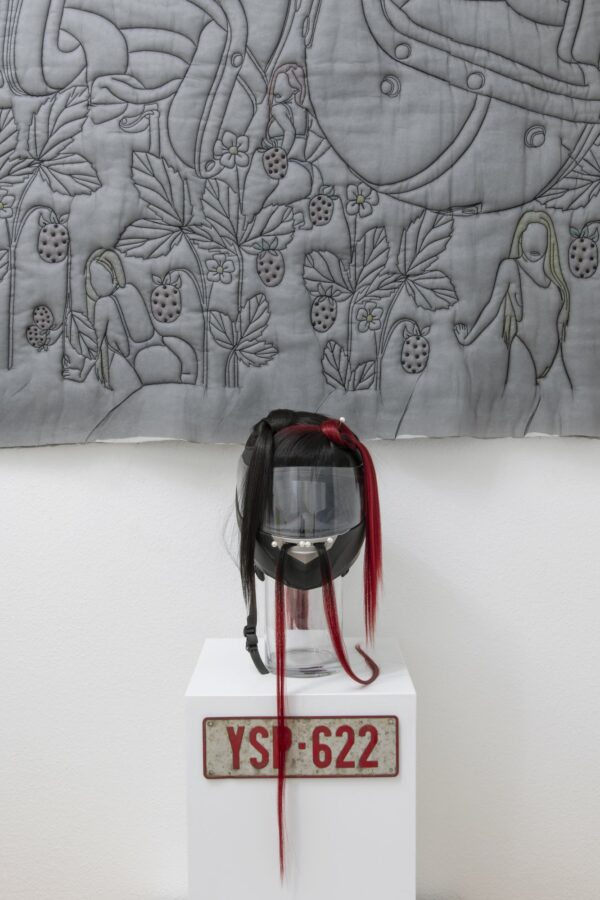
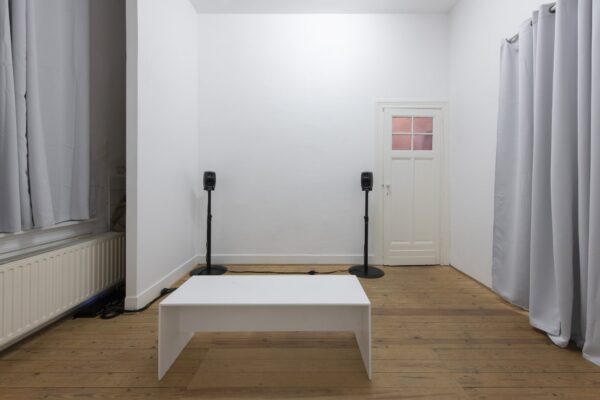
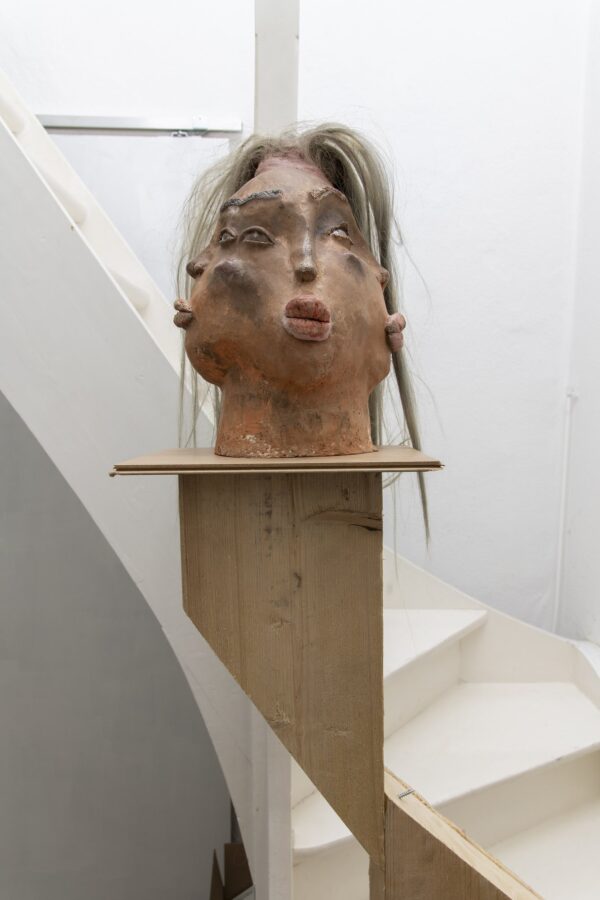
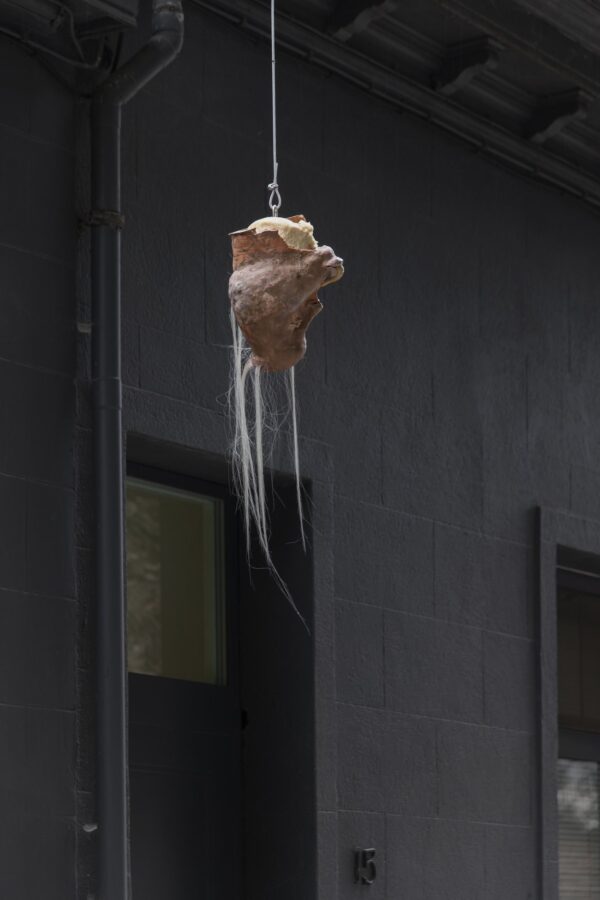
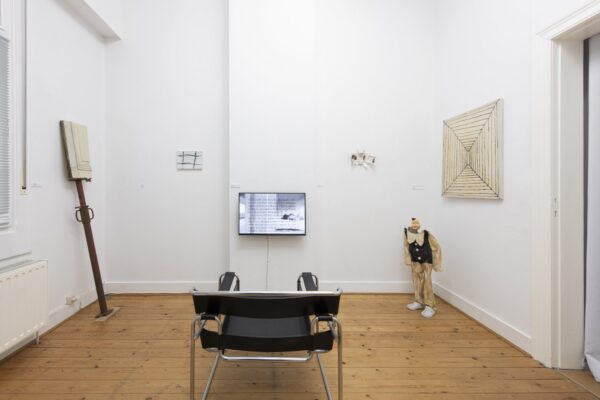
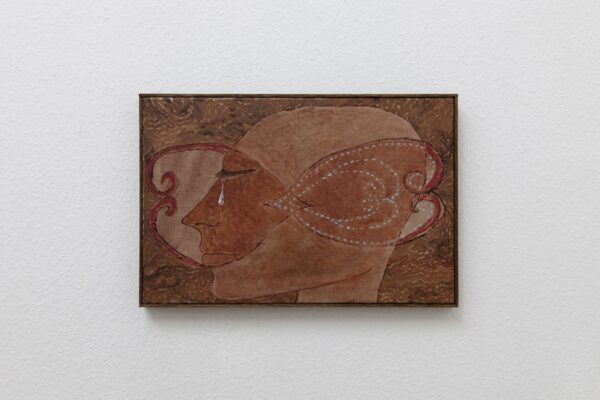
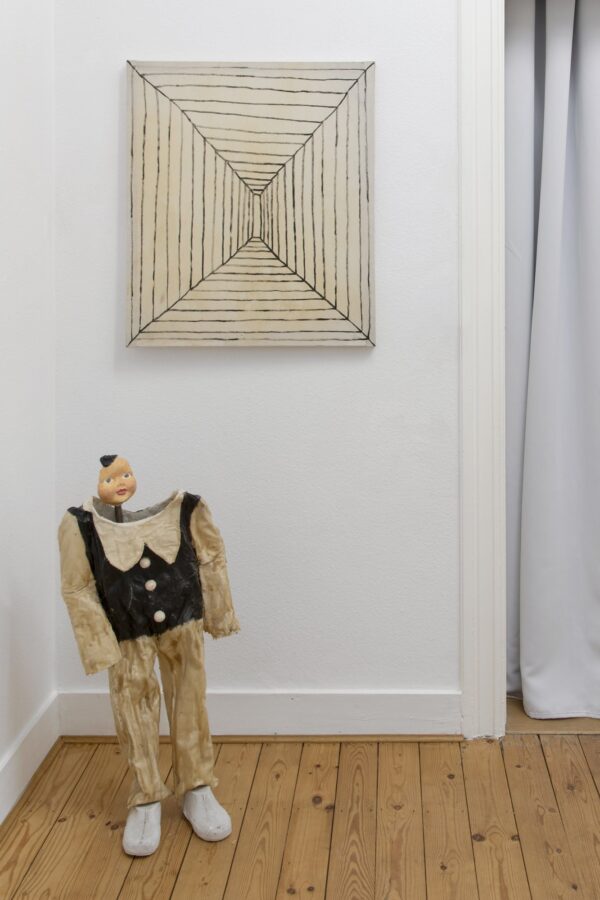
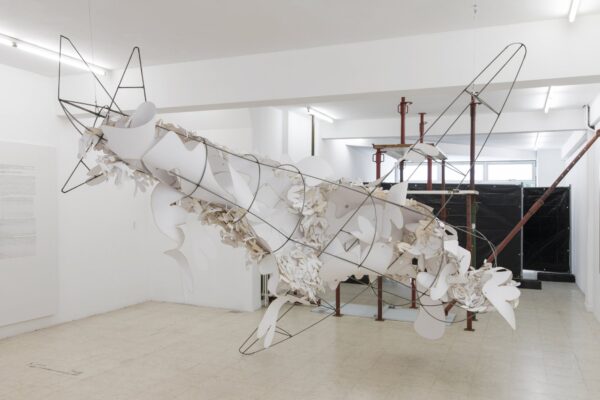
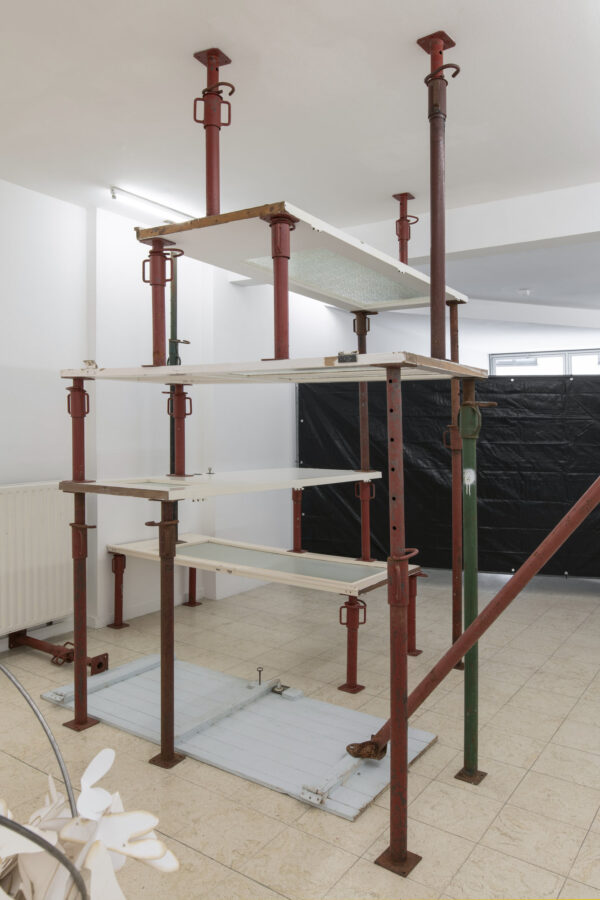
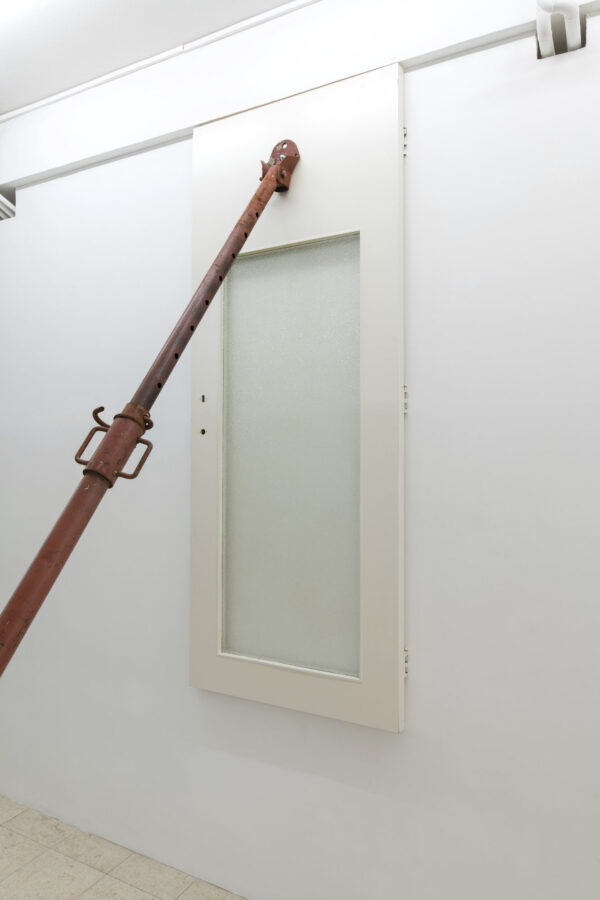
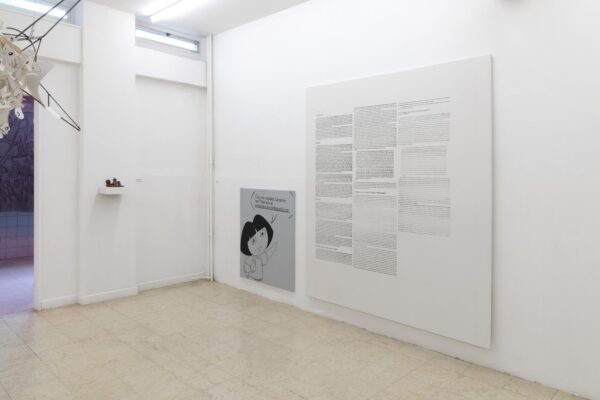
For the first time in the history of NowBelgiumNow, the work of all participants will be on view at each of the three exhibition locations. In consultation with them, we have chosen to show one work by each of them at each of the three locations. In this way, we avoid artists becoming dependent on the visibility or visitor numbers of one specific location. The exhibition is therefore not experienced as three separate presentations, but as a whole extending across the city.
We consider it essential that NowBelgiumNow creates a context in which artists can take new steps and develop new work. There is room for experimentation: anyone who wants to realise something in a less obvious medium can count on sound guidance. As curators, we take on the role of artistic sounding board and partner-in-crime for those who want to explore uncharted territory. For this purpose, the organisation has also engaged a conservator to overcome any material and technical obstacles.
The rejection by the City of Antwerp of the request for financial support affects the remuneration of the participants, the funding of new work and forces us to remove the item “communication and promotion”. However, it has led to a new idea: to arouse curiosity about the exhibition, the artists will each design their own poster, which will be distributed in the streets of Antwerp. In this way, NowBelgiumNow deliberately leaves the confines of the permanent exhibition space and seeks an encounter with the city and its inhabitants. The poster is not merely a means of communication, but an artwork that temporarily forms part of the public space.
What is also unique to this edition is that, in the colophon, we have included the names of all the artists (collectives) whom we visited during the preparation process (unless they explicitly asked not to be mentioned). In doing so, we want to make visible that NowBelgiumNow does not only consist of the final exhibition, but also of the many conversations and encounters that preceded it.
At the same time, we want to emphasise that the selection for this edition in no way suggests a hierarchy. The participating artists form only one possible constellation within an exceptionally rich artistic landscape. The fact that someone is not included in this exhibition says nothing about the quality, relevance or future of their work. Every exhibition is ultimately the result of choices, dialogues, practical possibilities and the desire to bring precisely these works together at a particular moment.
Unlike previous editions, the brochure will also take a different form. The traditional three paragraphs (a few sentences with biographical information, a few about the work in general and finally a paragraph about the works on display) have here been replaced by a much more playful (but no less relevant) portrait of the artist. We, too, are evolving with our times.
The intention to draw up a questionnaire ad absurdum, in which no distinction is made between obvious, public, delicate, personal or intimate information, was proposed to the artists in advance. No one is obliged to fill in the list (truthfully). We are primarily trying to defuse sensitivities with humour and limit speculation.
Many prefer these questions to the obligation to formulate an “artist statement”. Those who feel addressed are given space to write something. Not everyone has to use the same form; it remains open.
Finally, the essence of NowBelgiumNow remains: not to provide an overview of Belgian contemporary art, nor to formulate a new canon, but to create interaction again. Between artists, works, generations, visitors. And between ideas that sometimes confirm one another and at other times contradict one another, always leaving open the possibility that art may make us look at the world differently.
Stella Lohaus & Simon Delobel

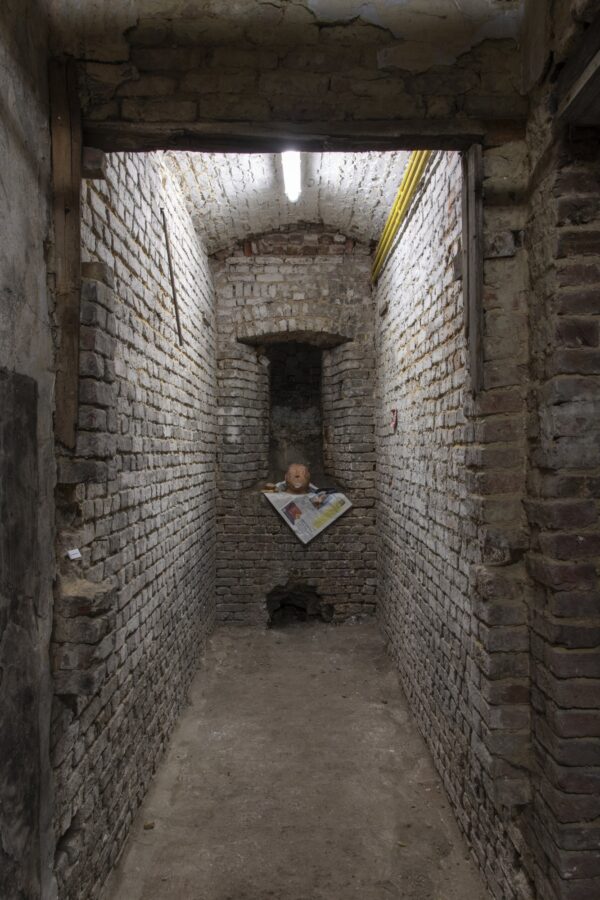
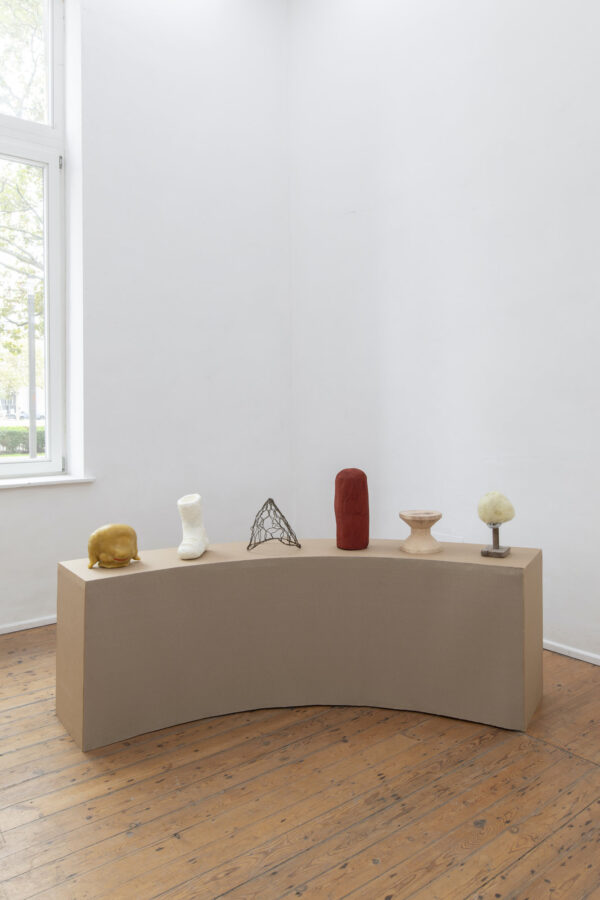
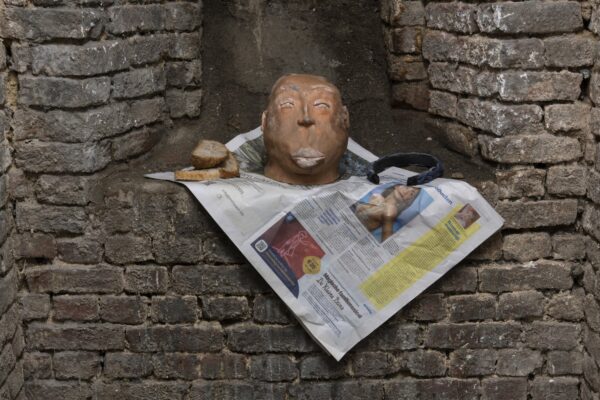
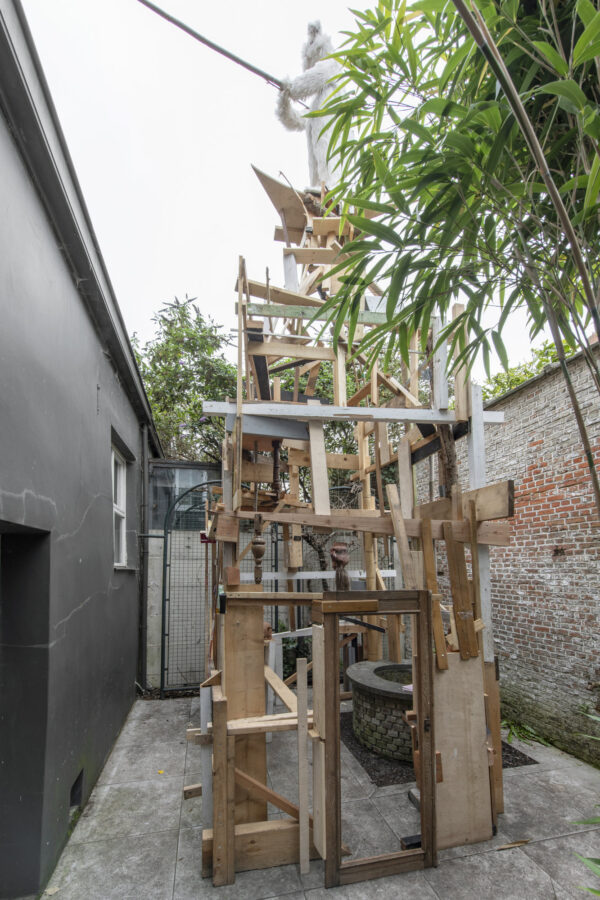
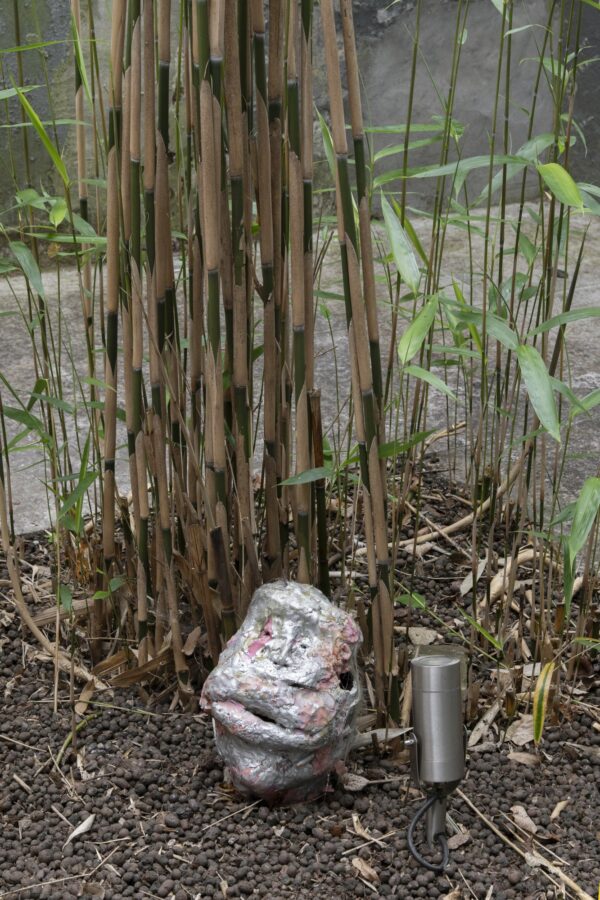
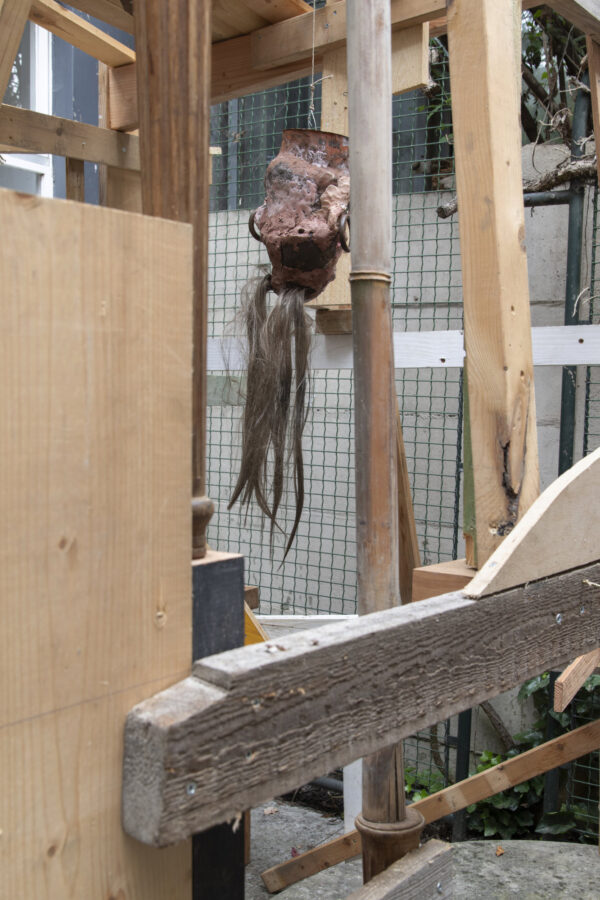
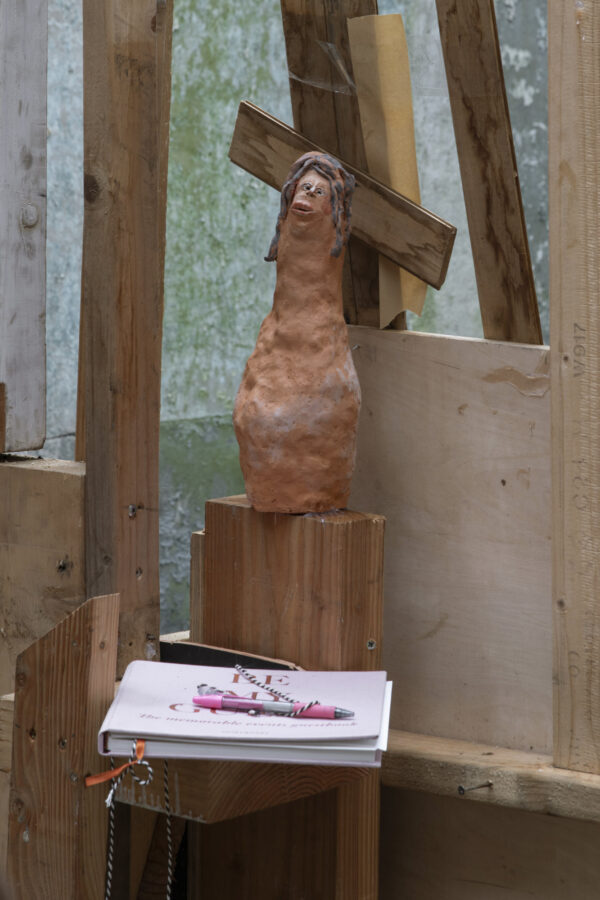
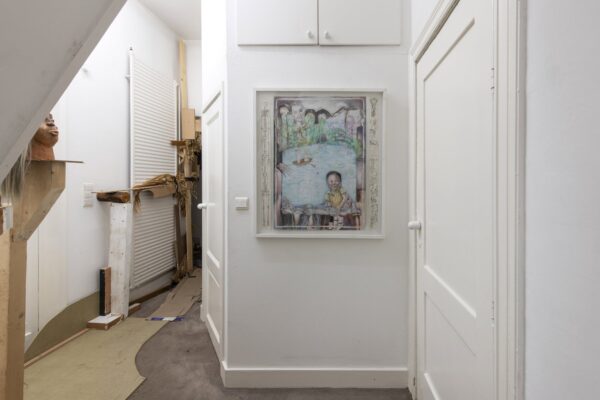
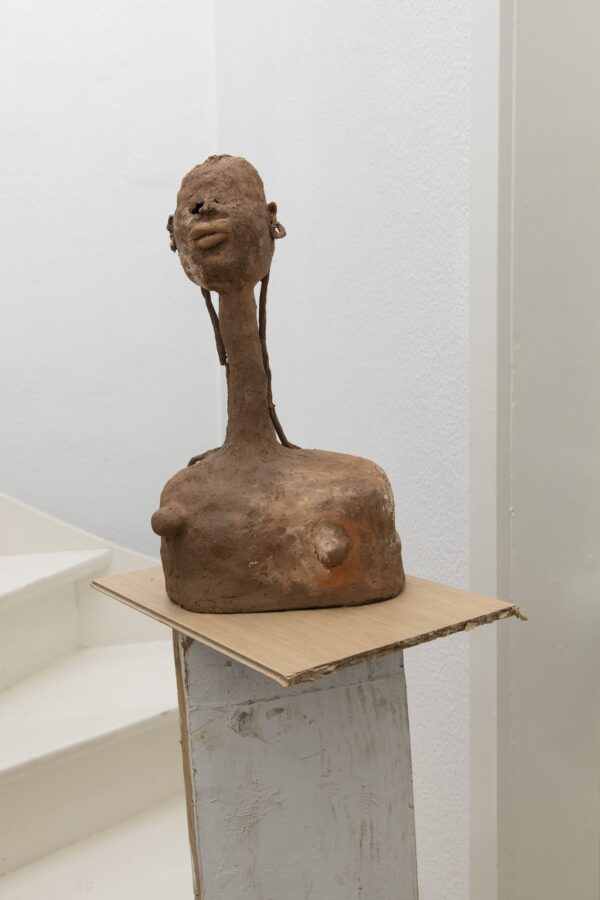
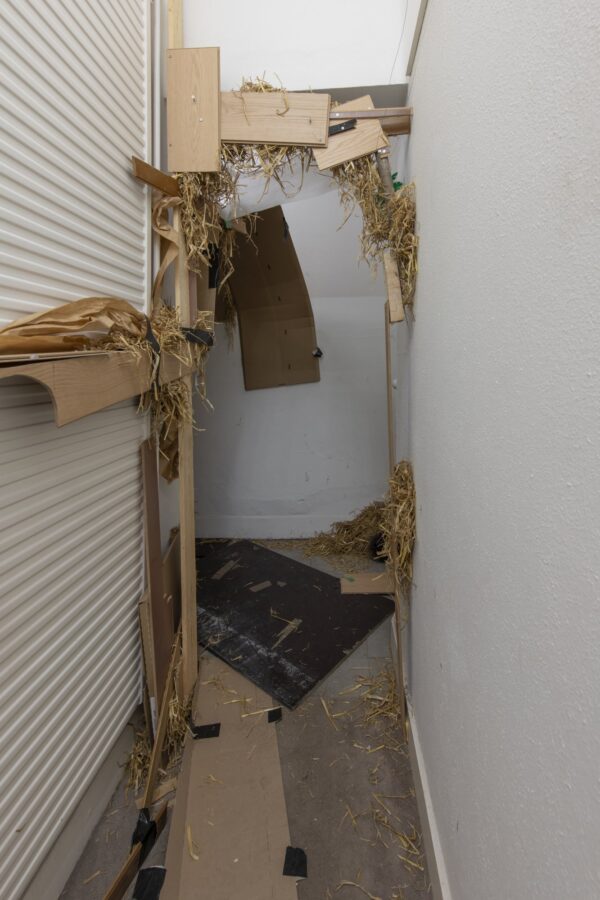
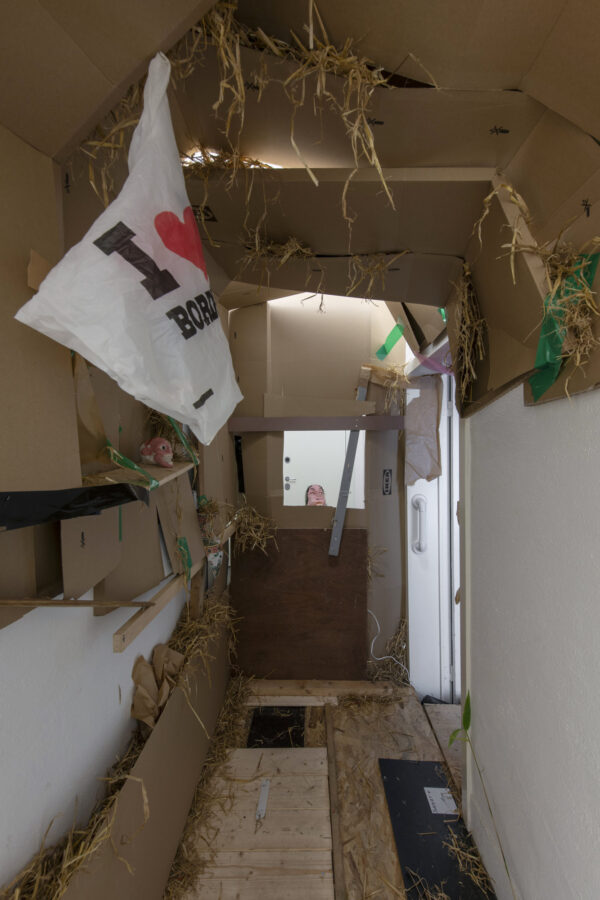
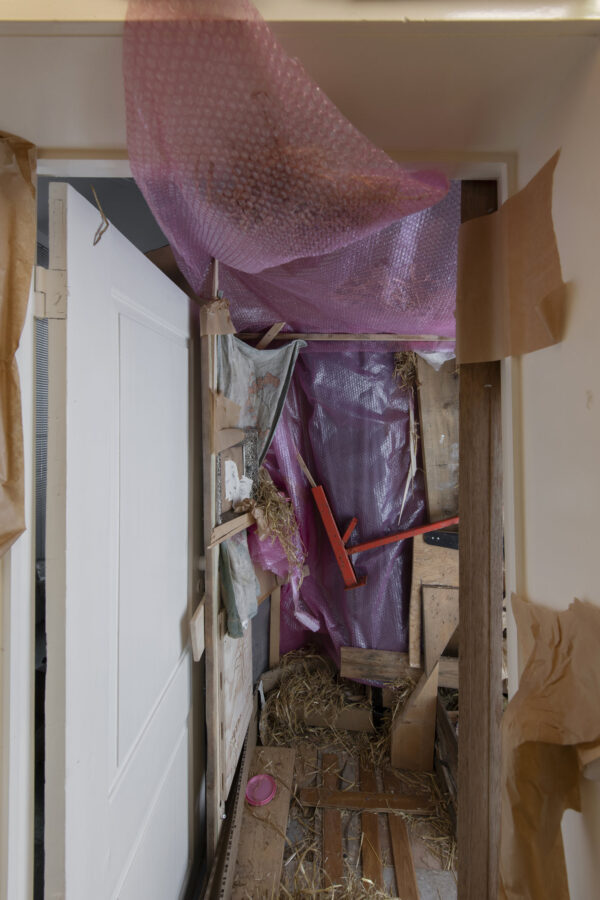
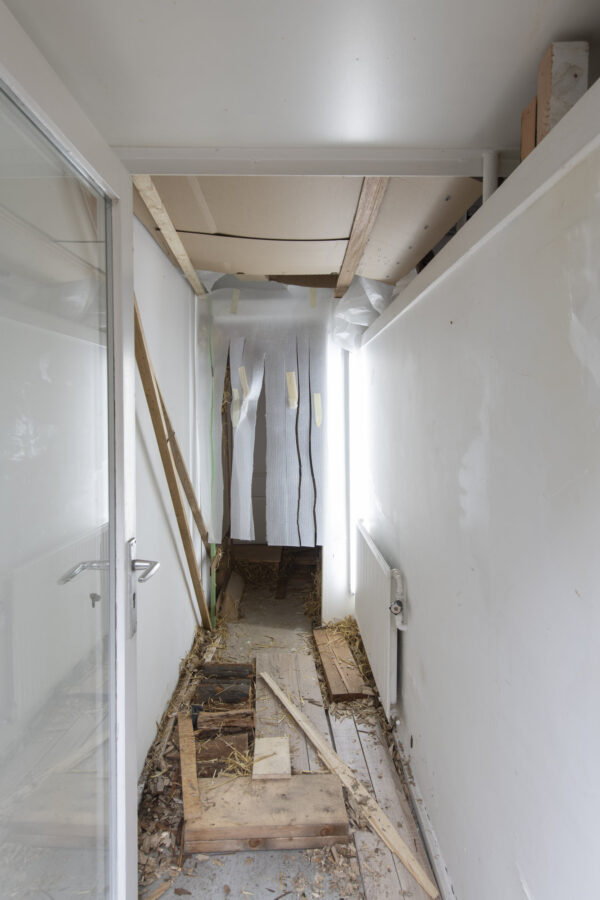
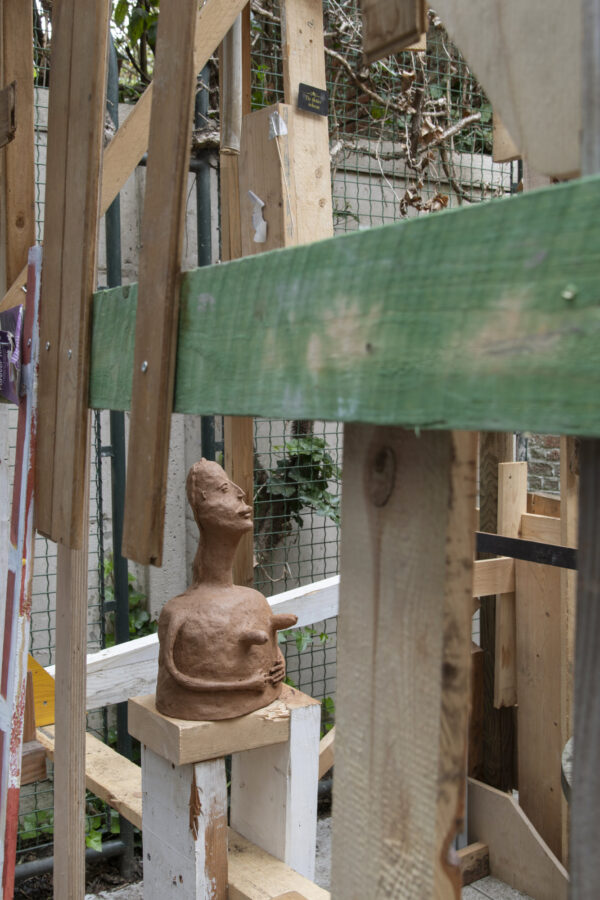
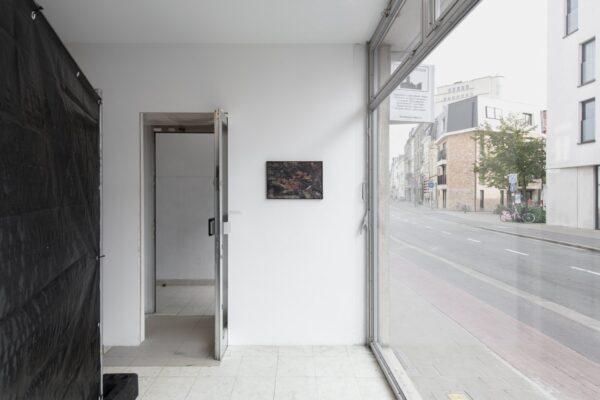
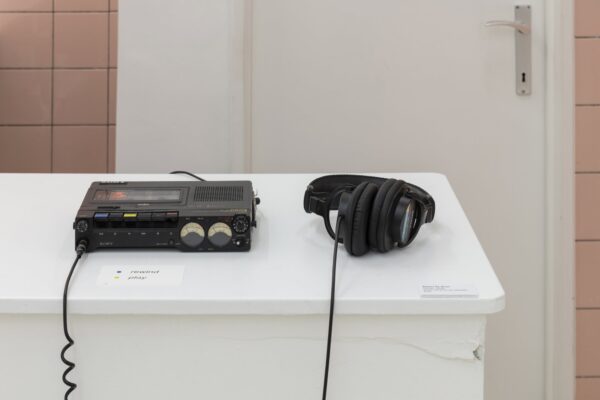
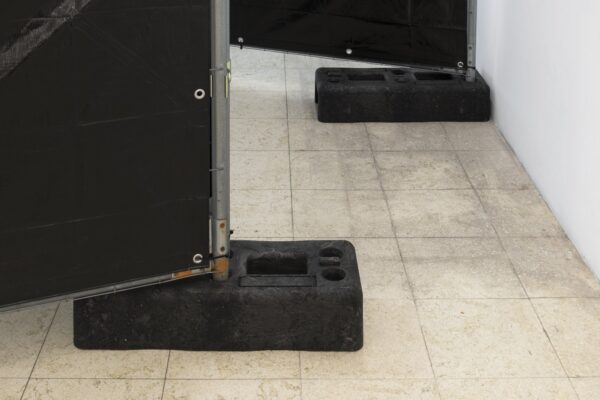
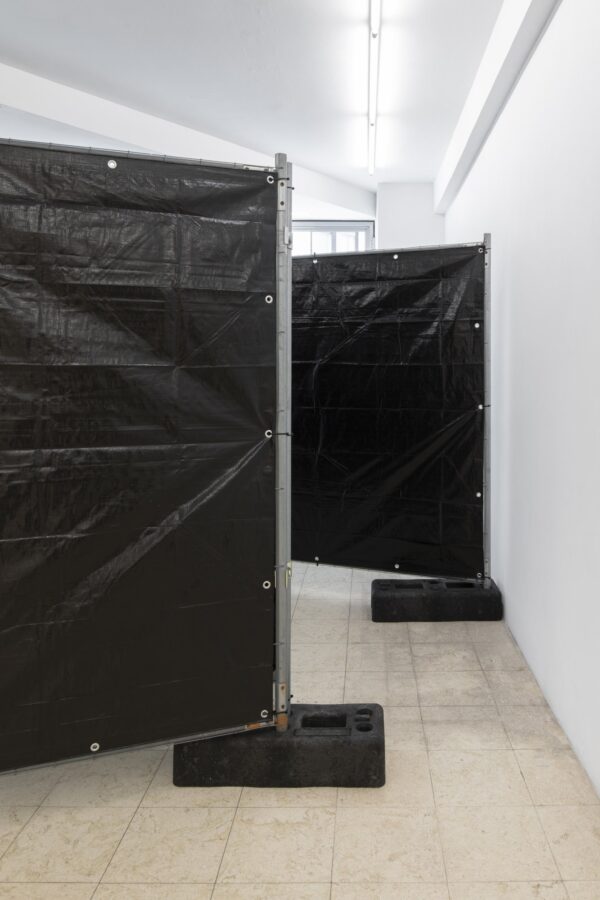
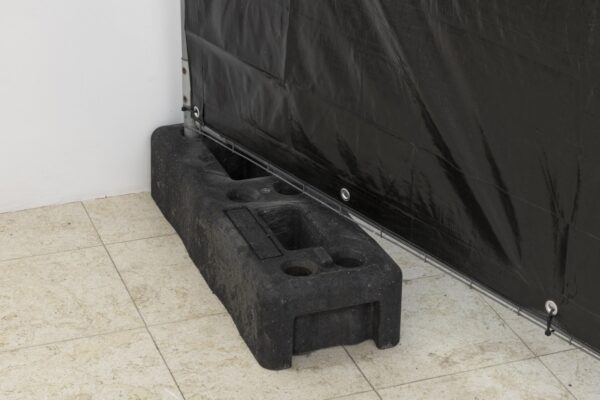
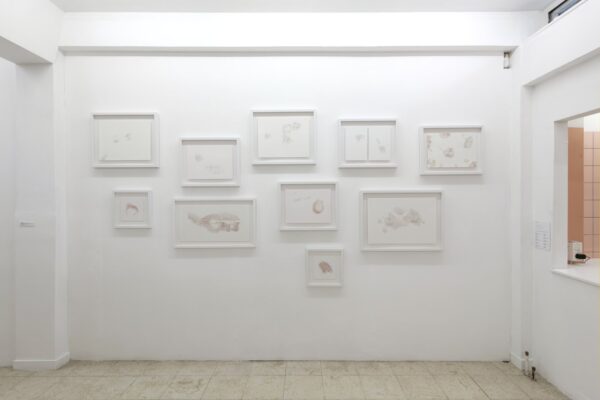
Maanstraat 17, 2018 Antwerpen
© Isabelle Arthuis
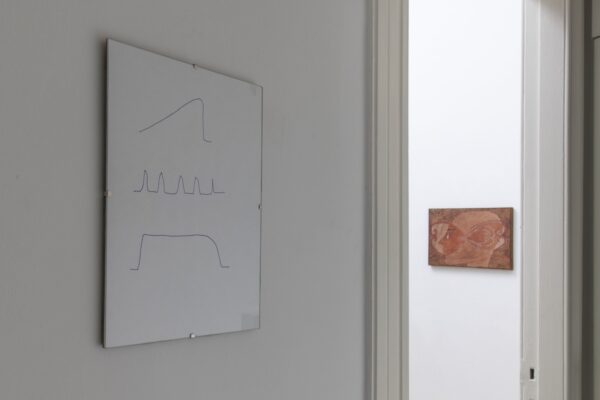
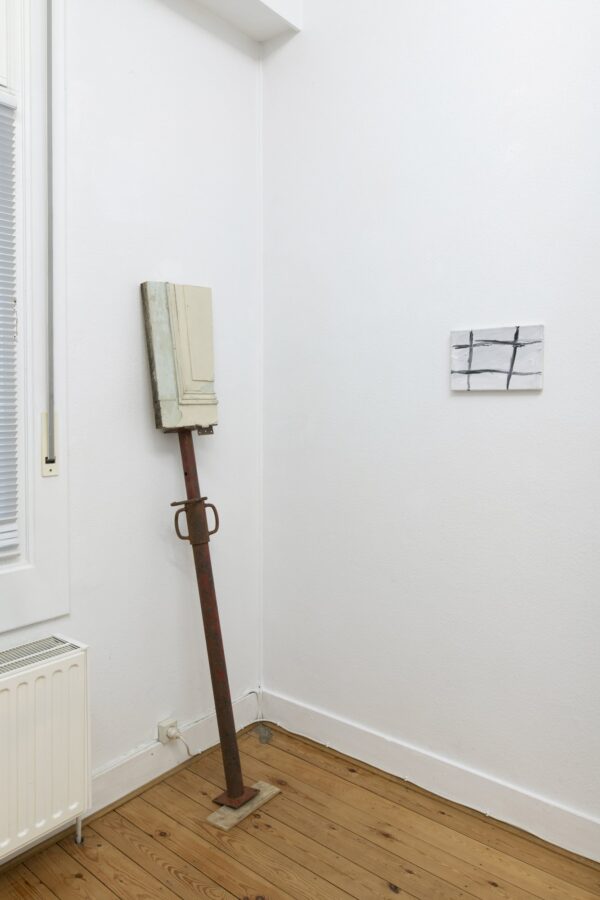
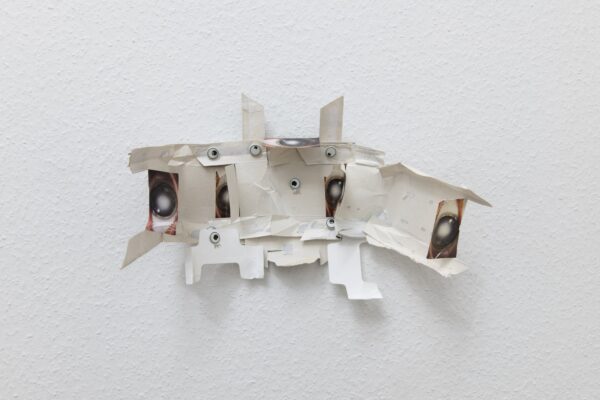
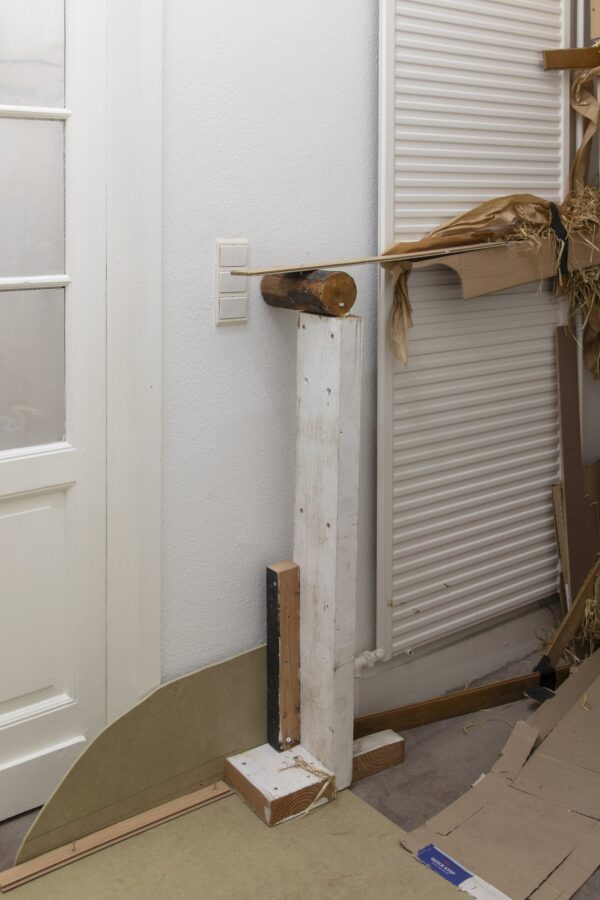
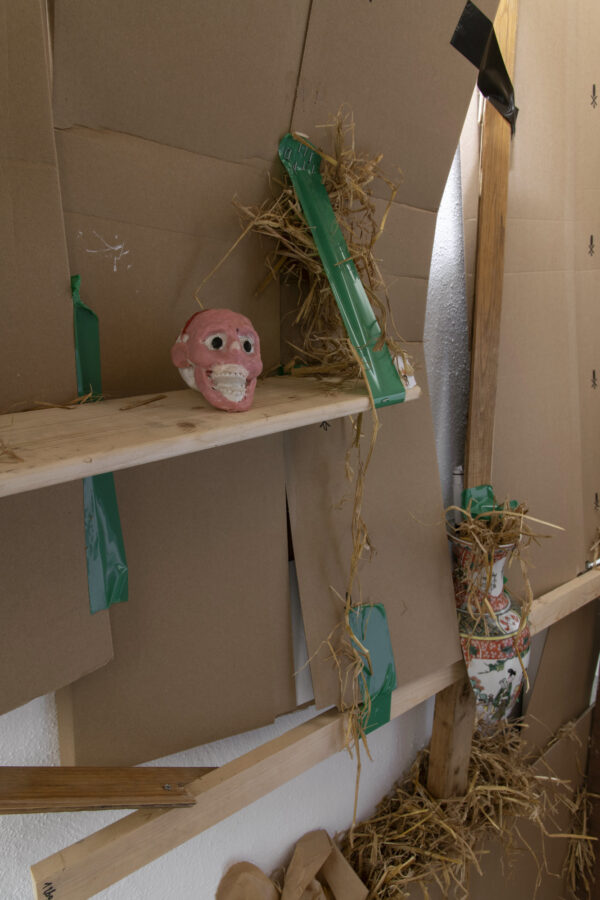
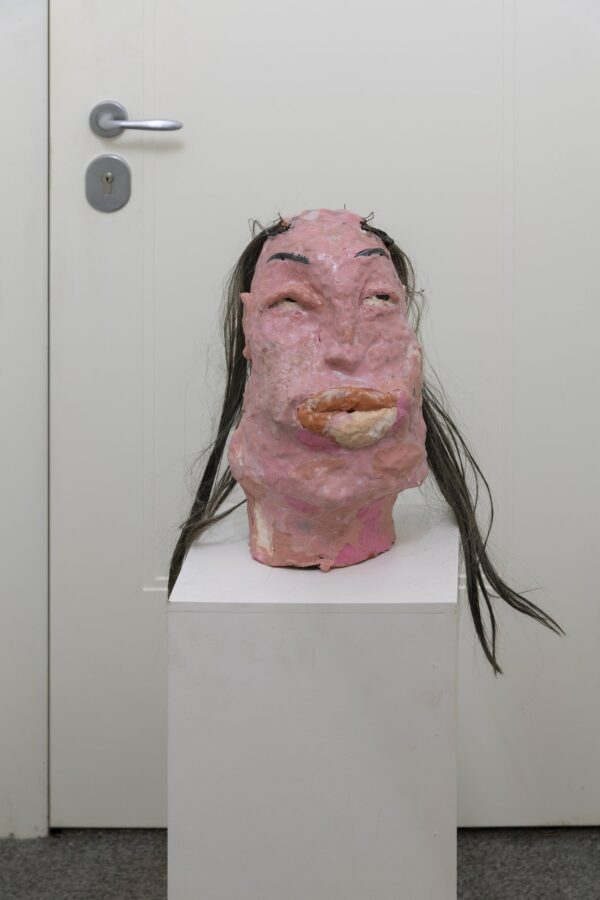
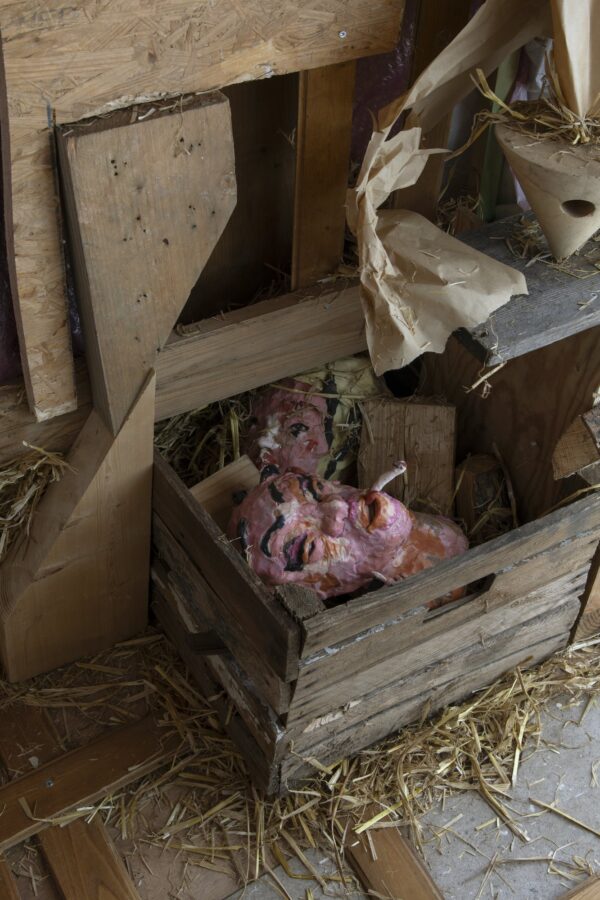
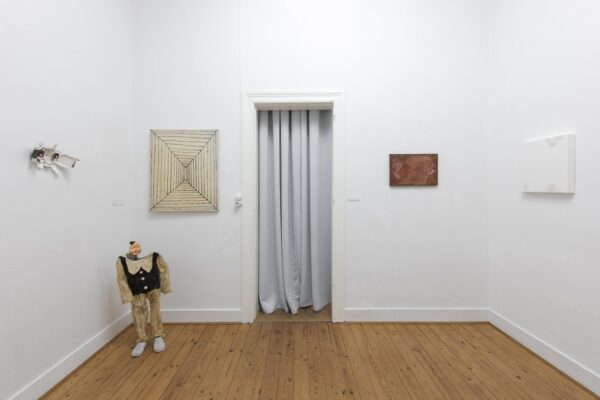
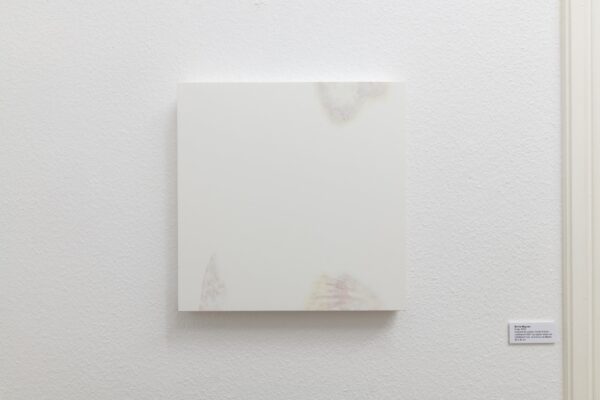
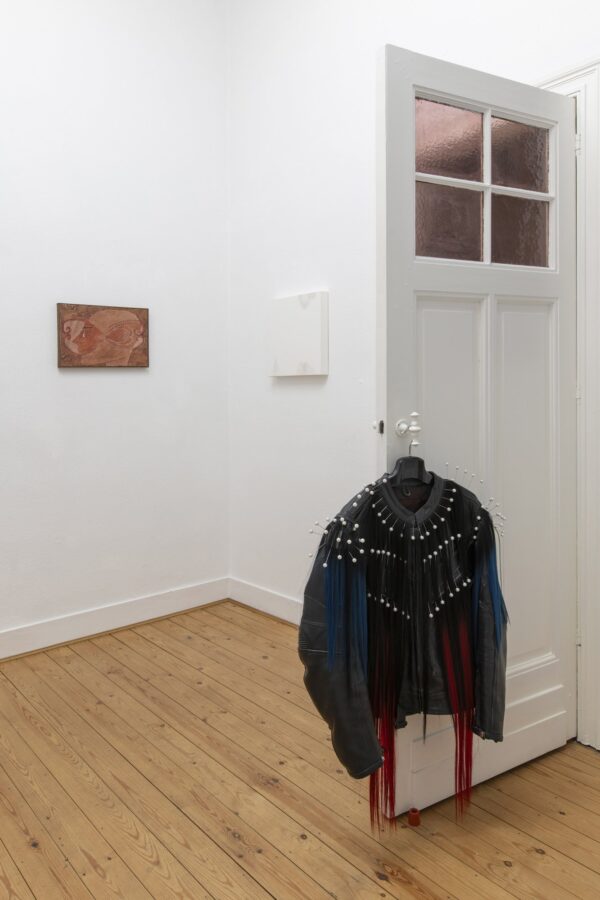
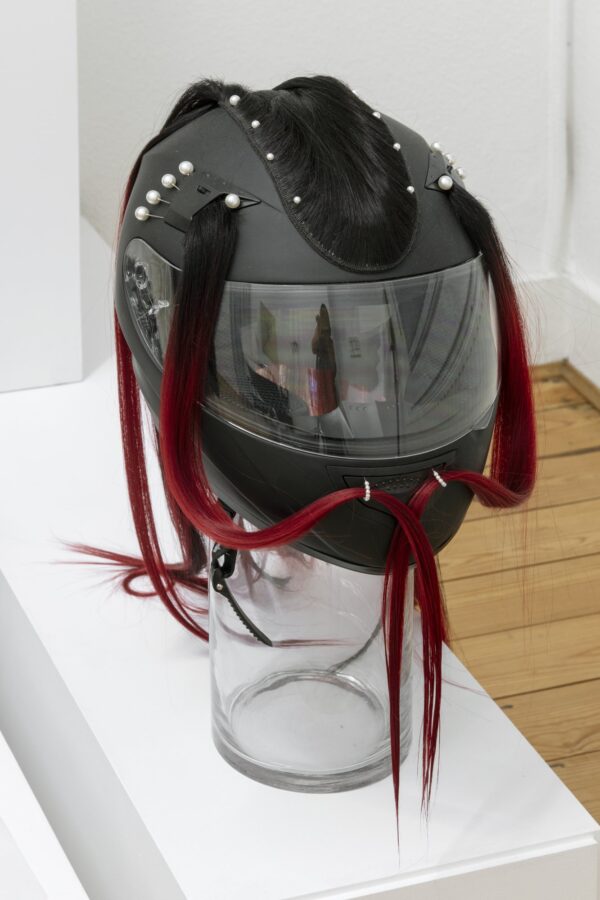
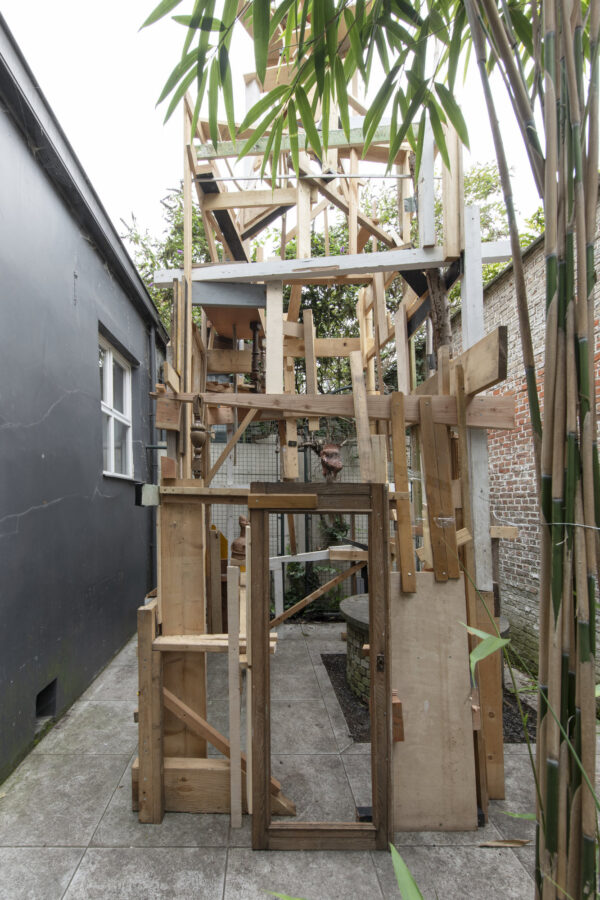
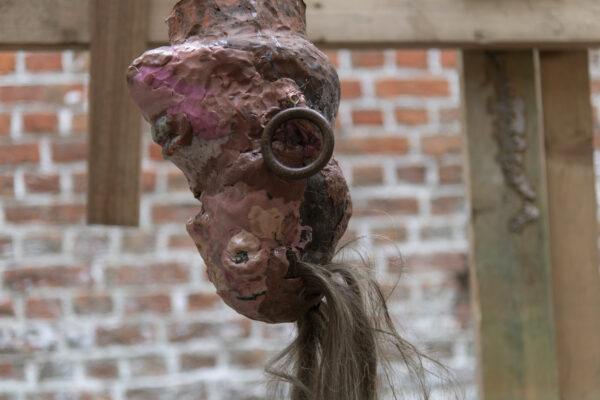
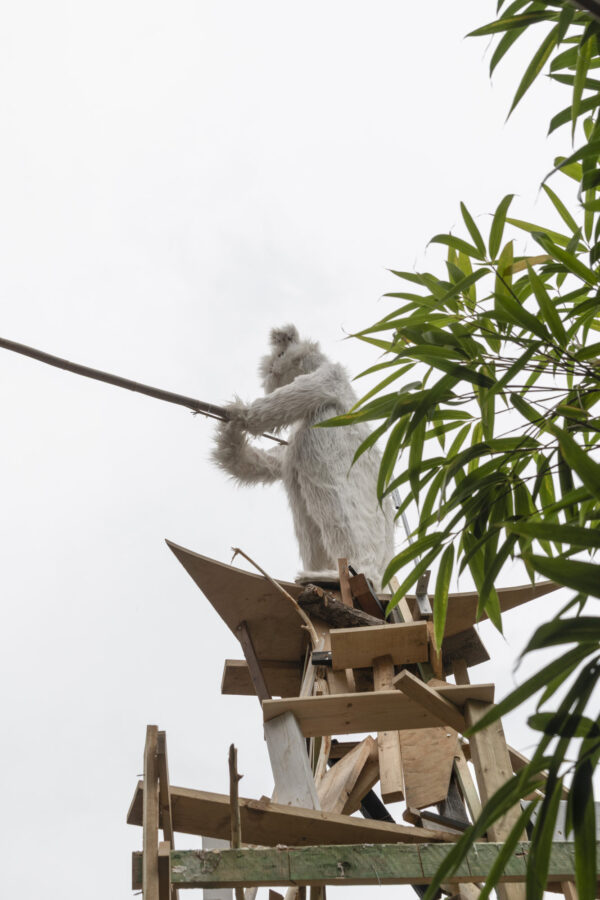
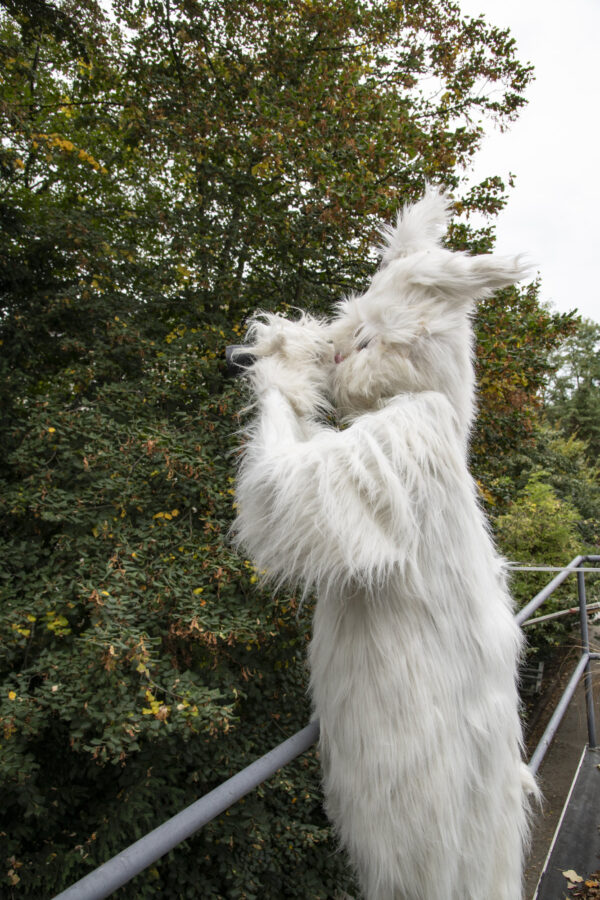
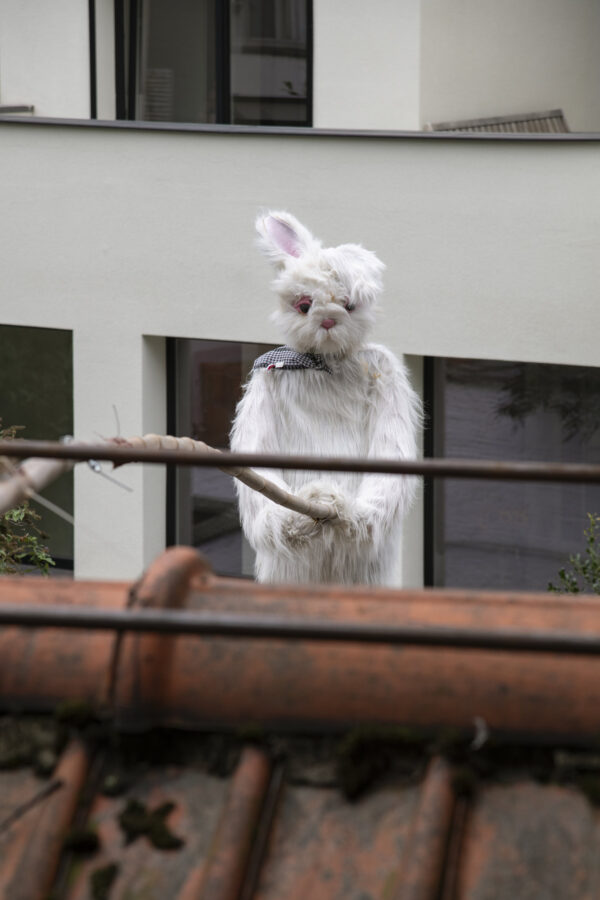
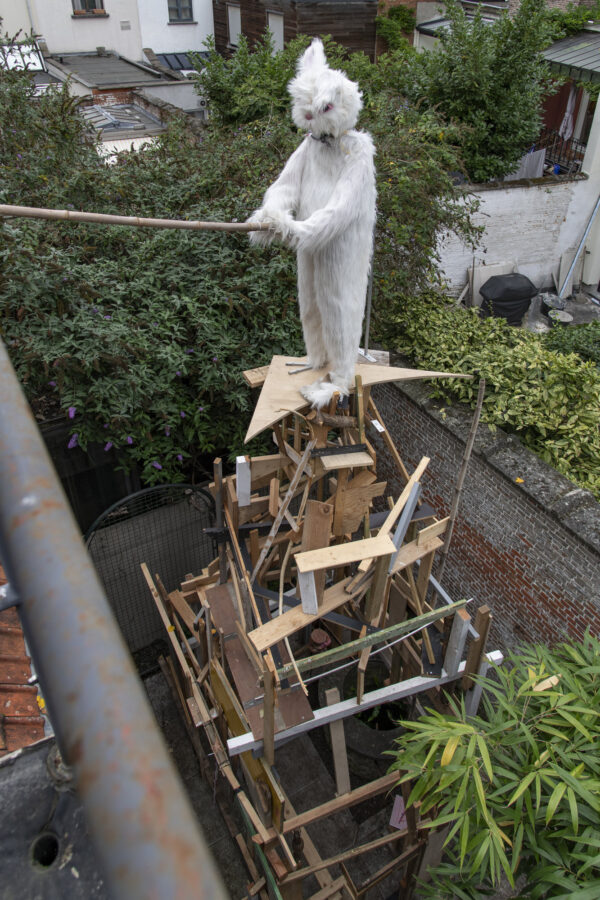
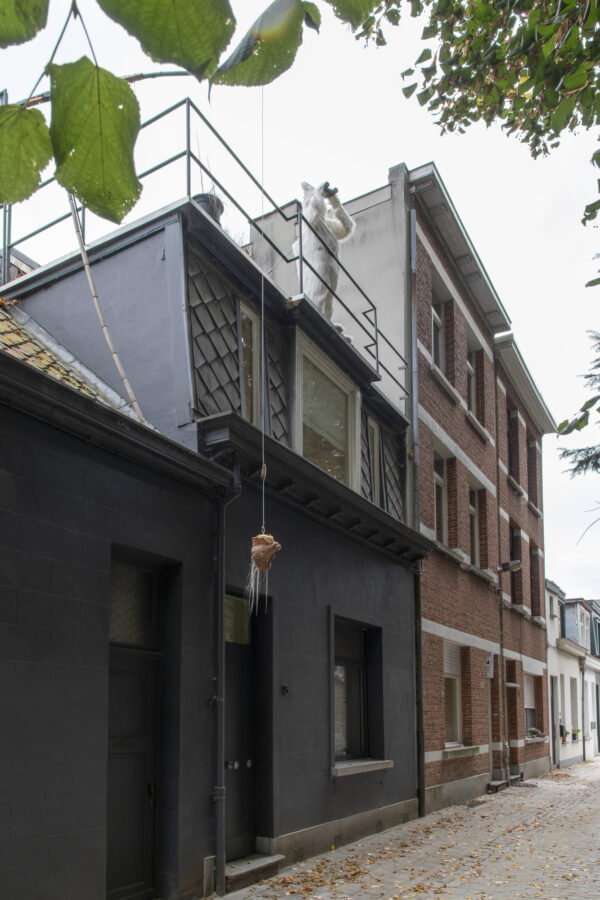
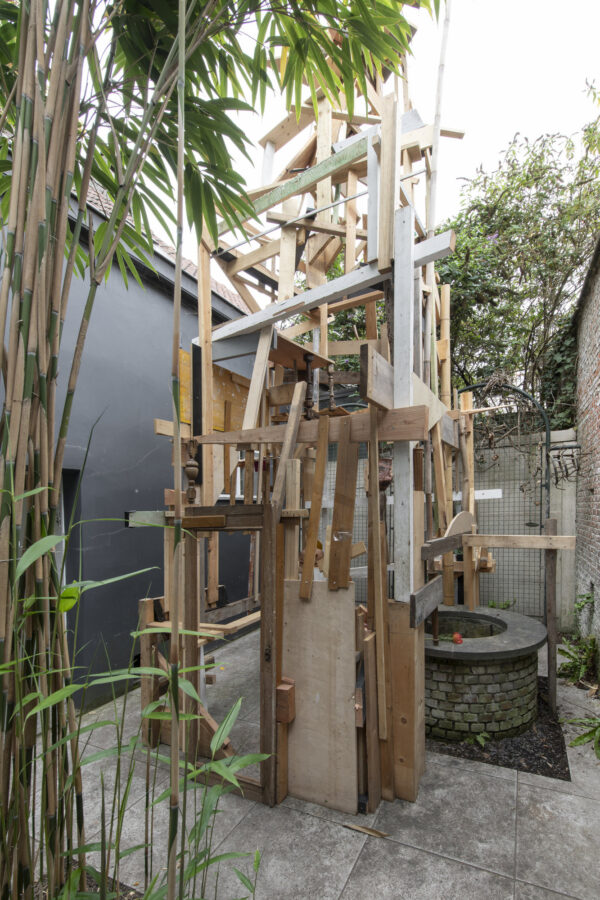
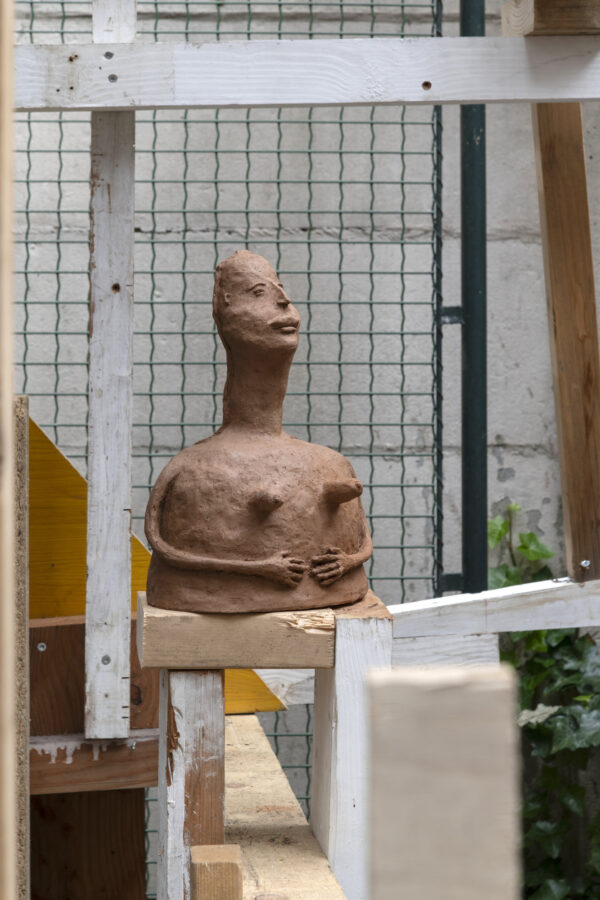
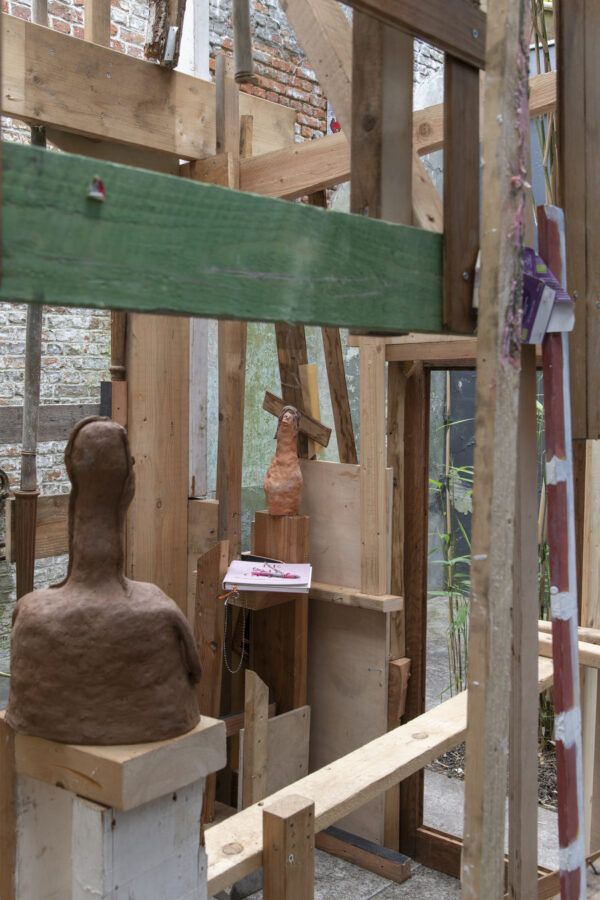
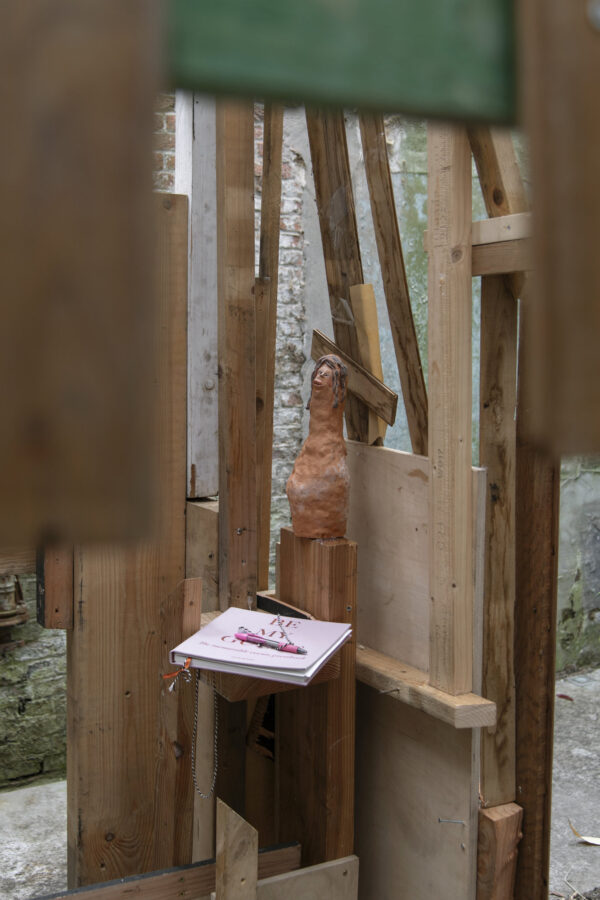
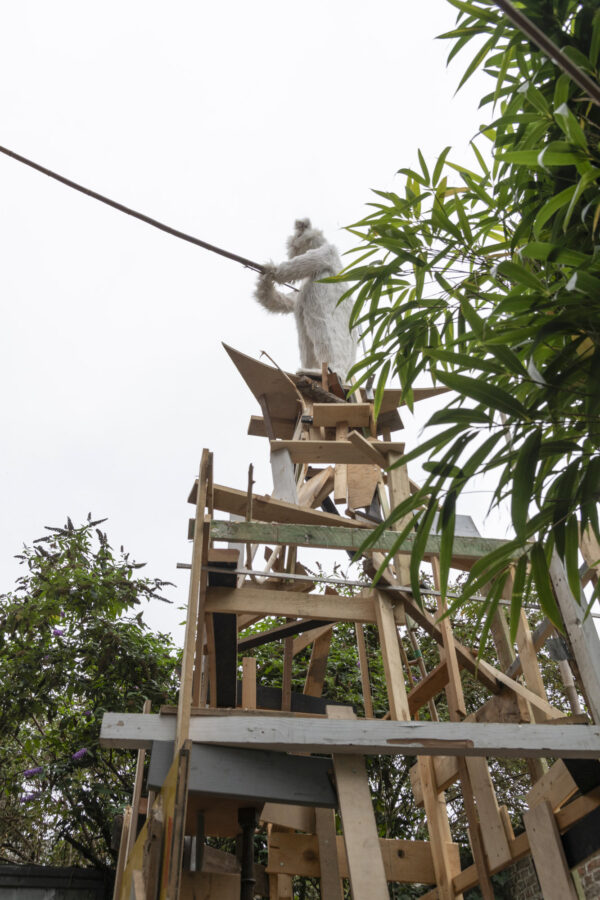
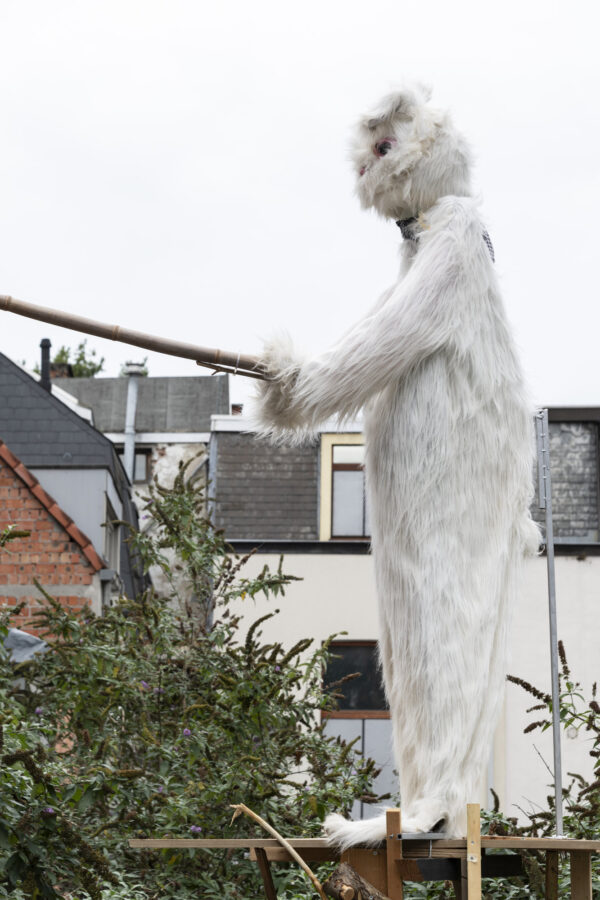
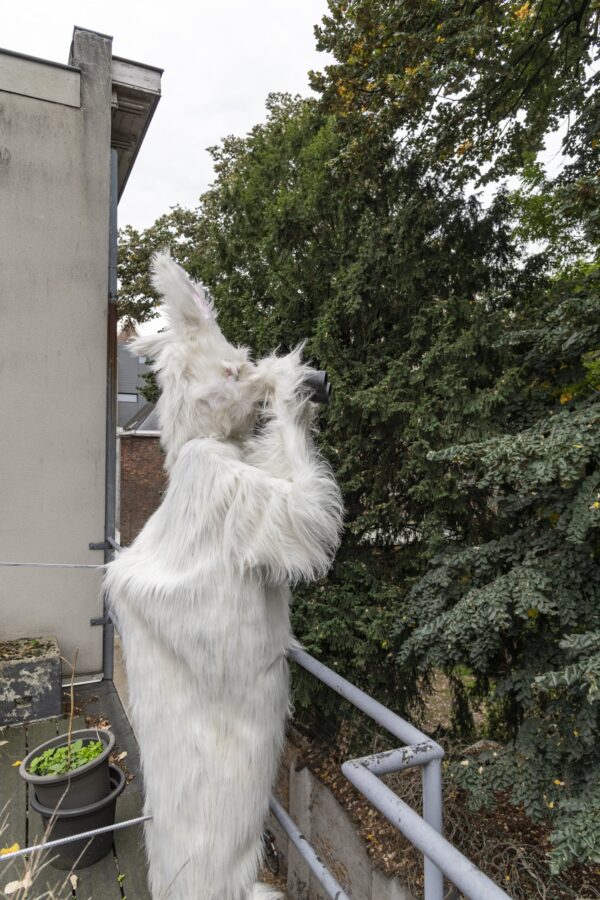
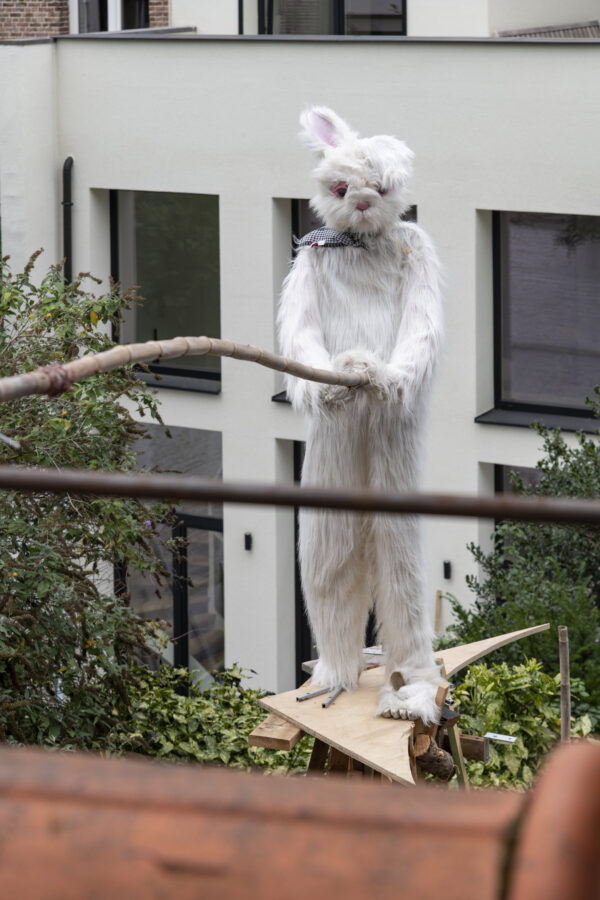
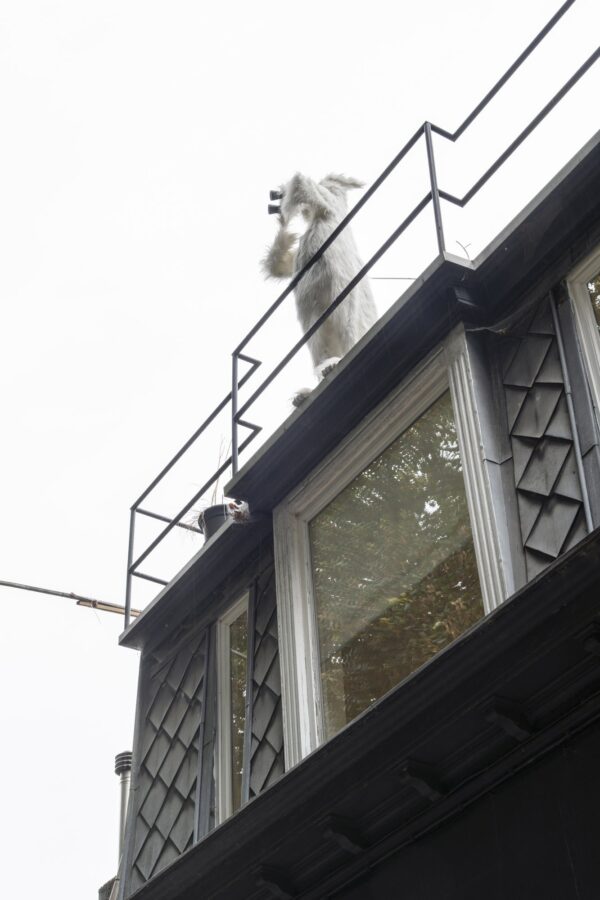
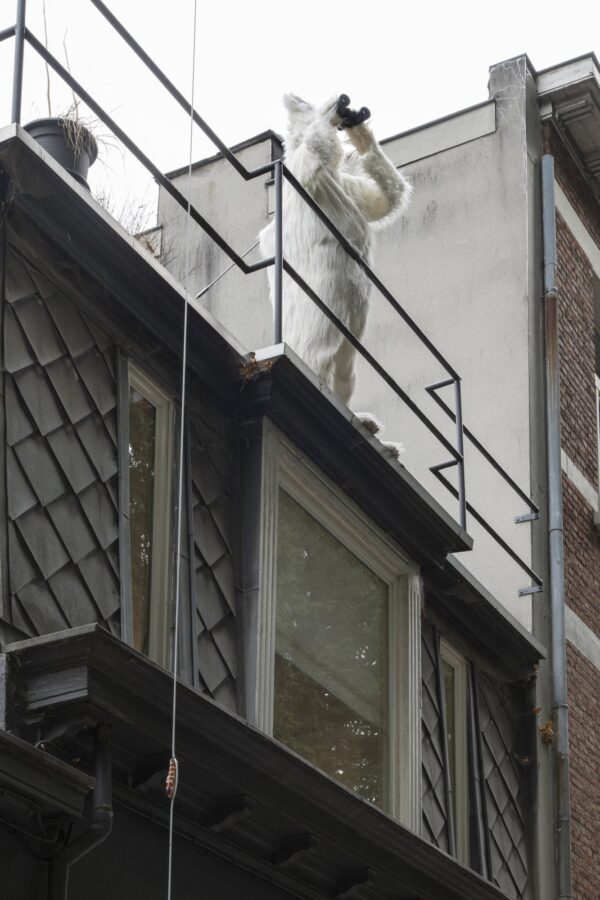
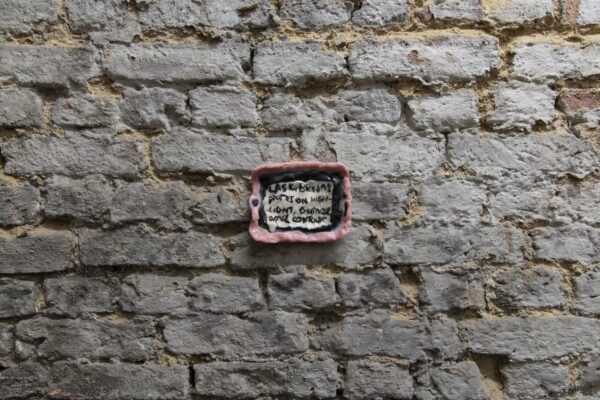
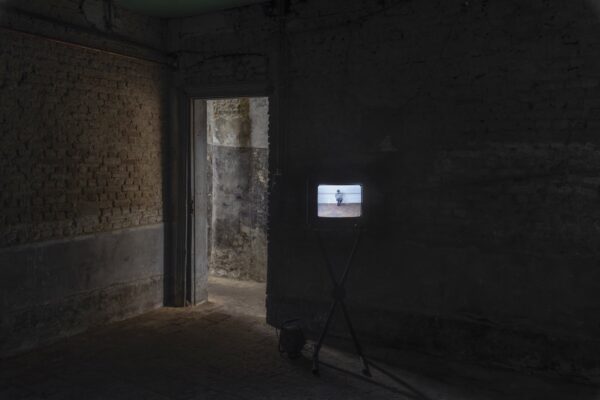
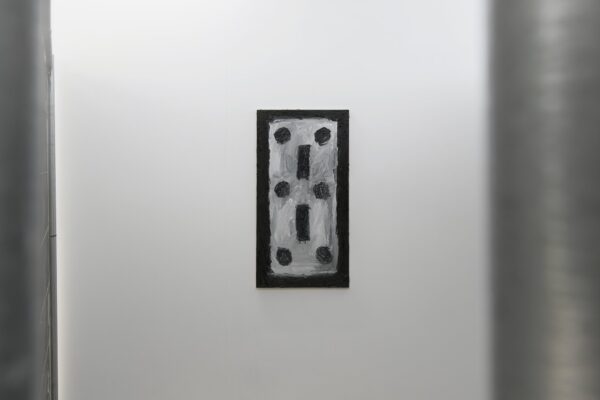
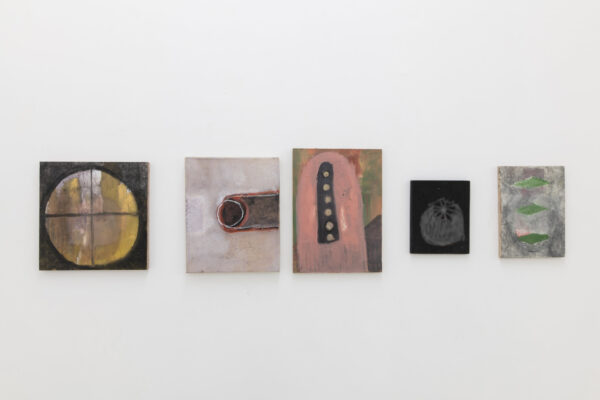
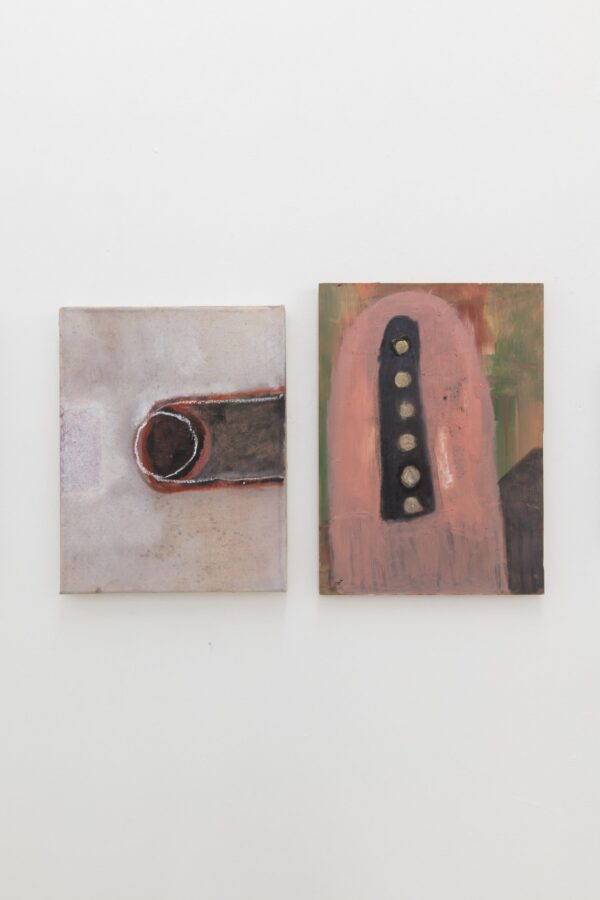
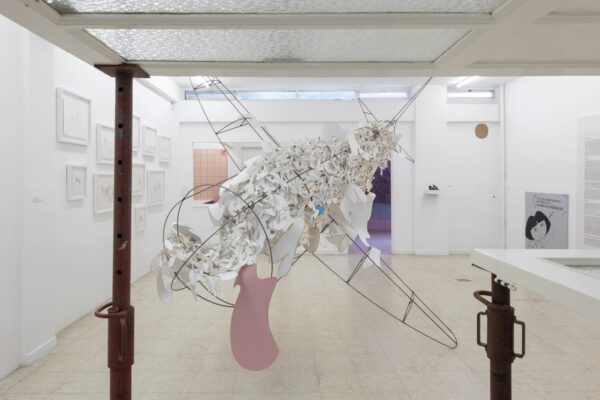
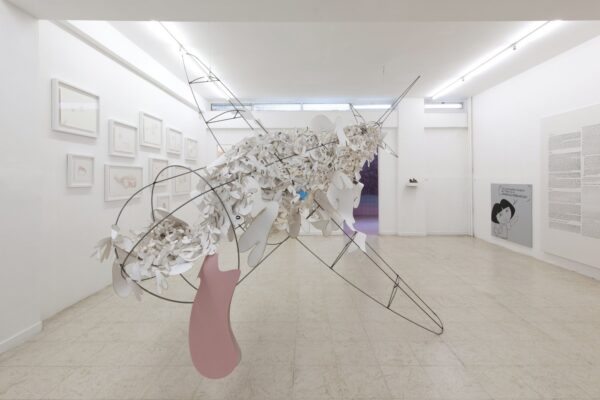
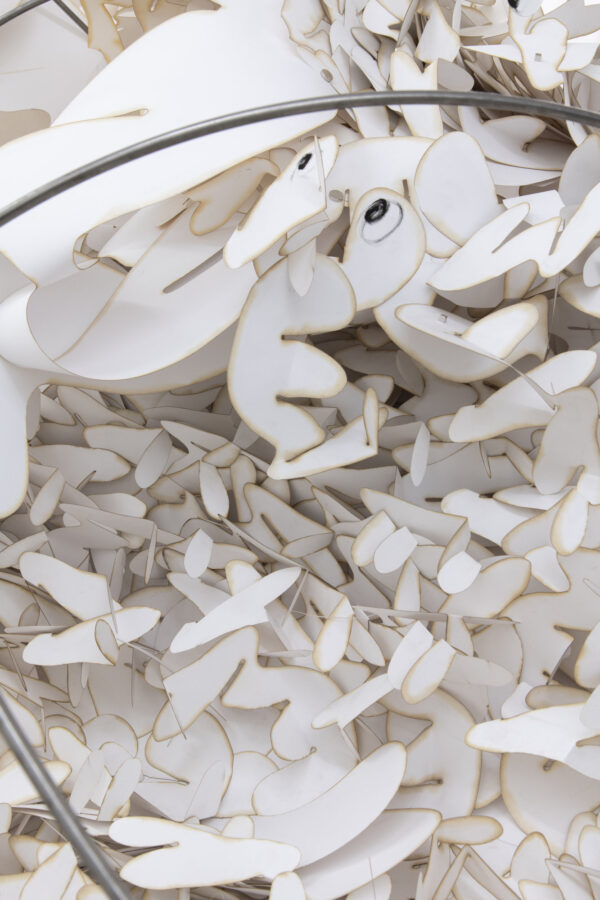
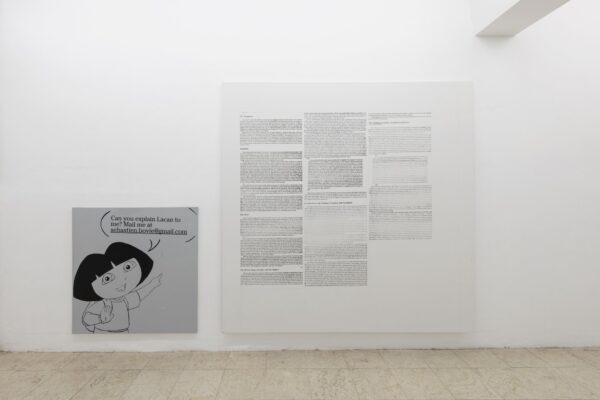
Paleisstraat 140, 2018 Antwerp
© Isabelle Arthuis
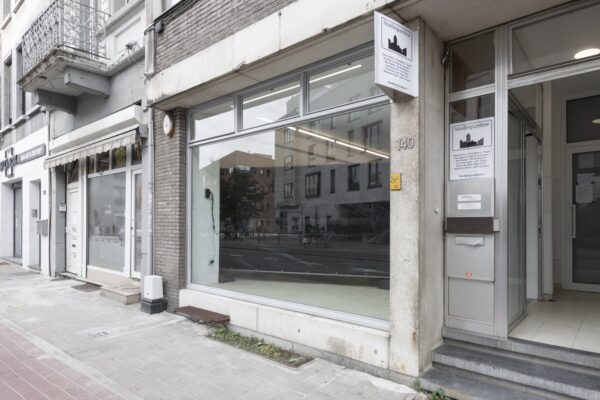
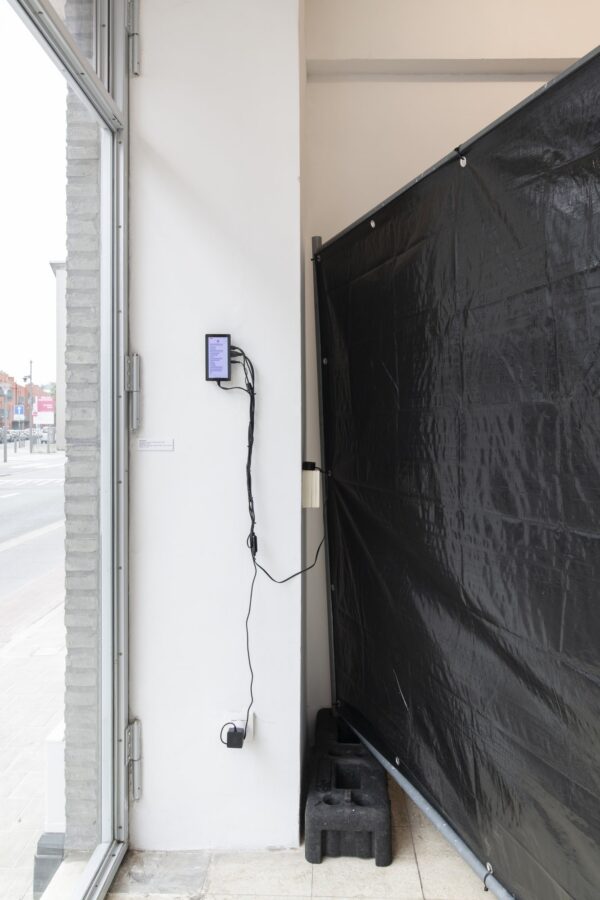
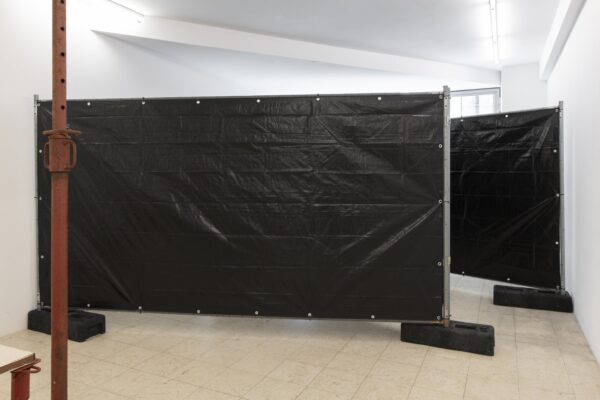
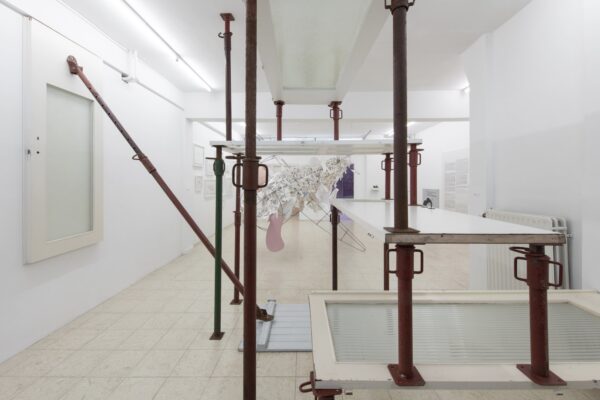
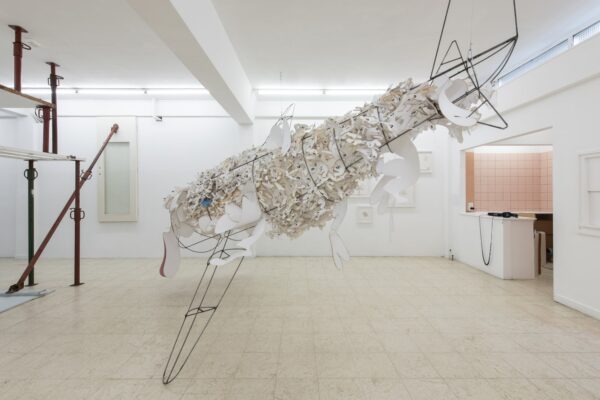
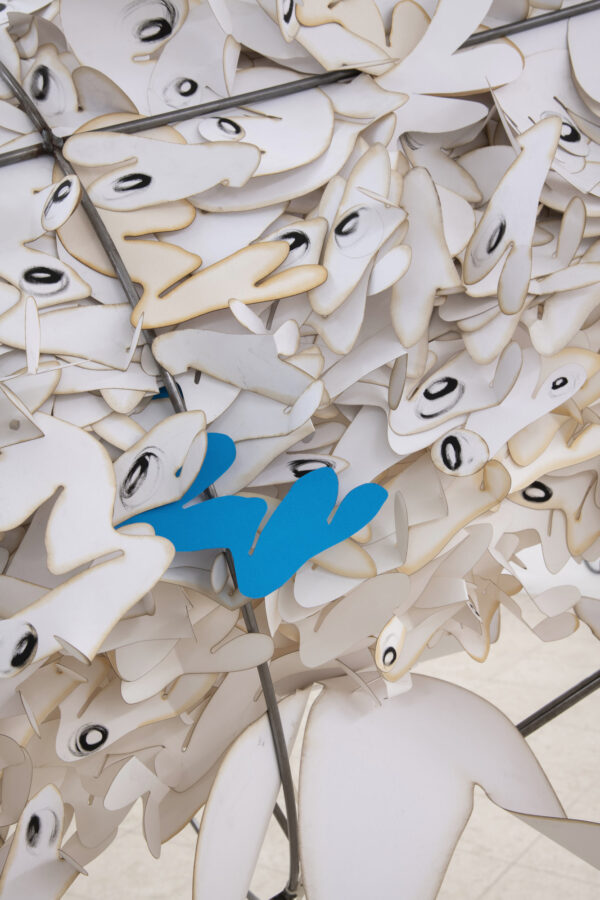
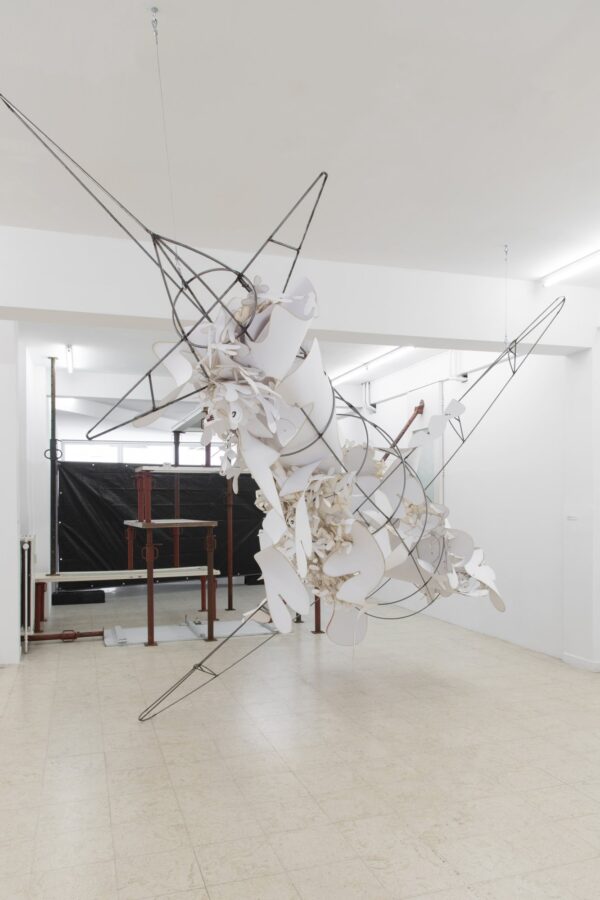
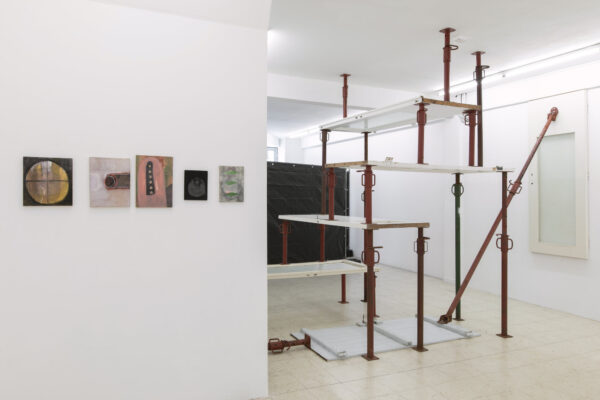
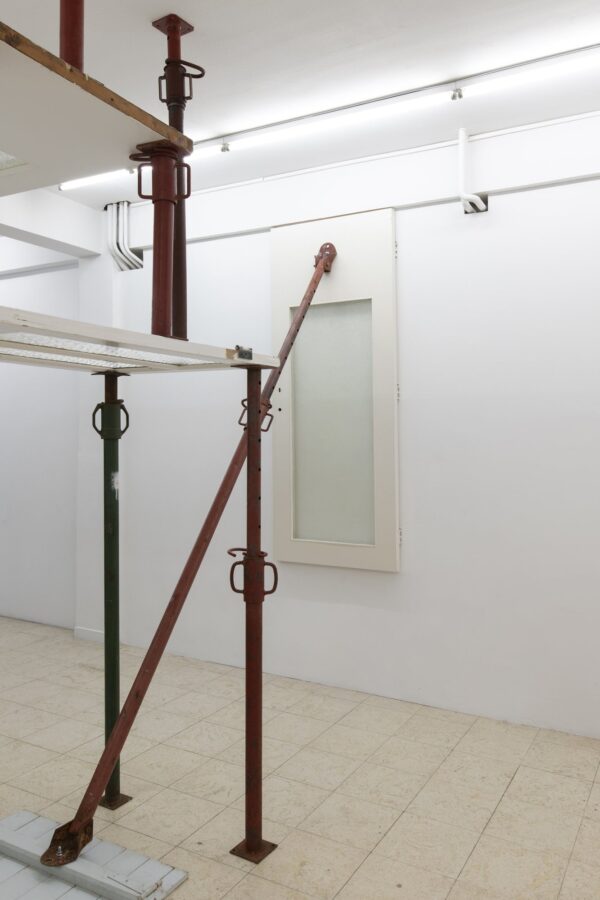
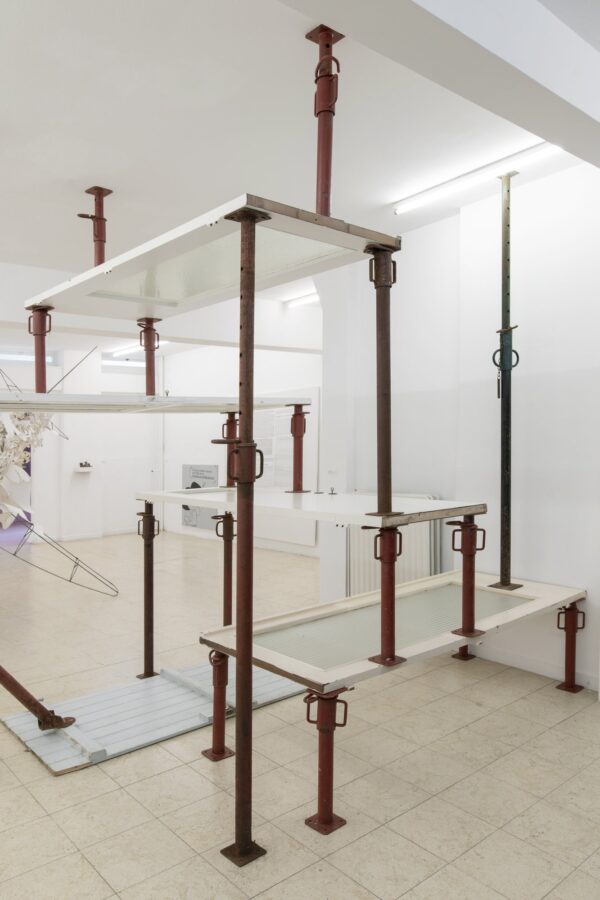
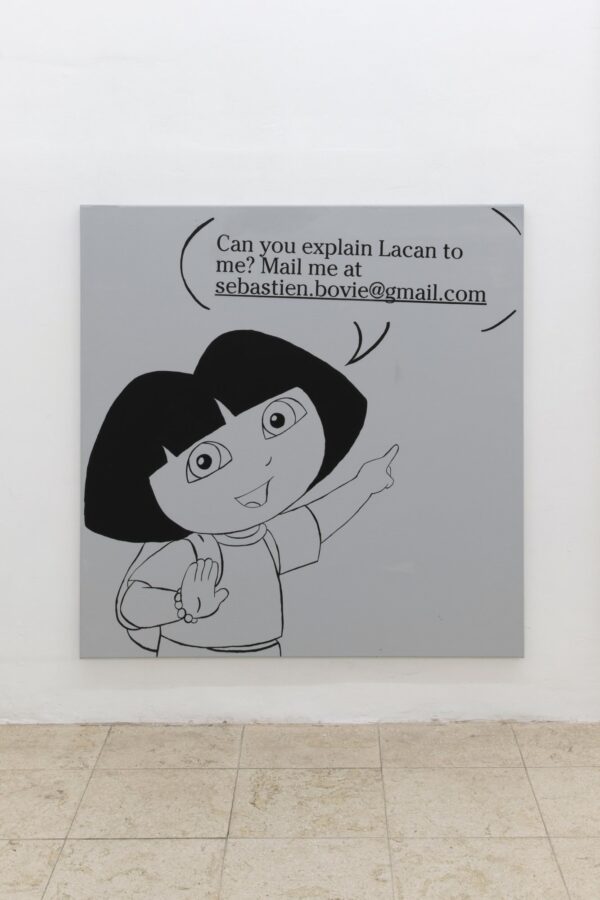
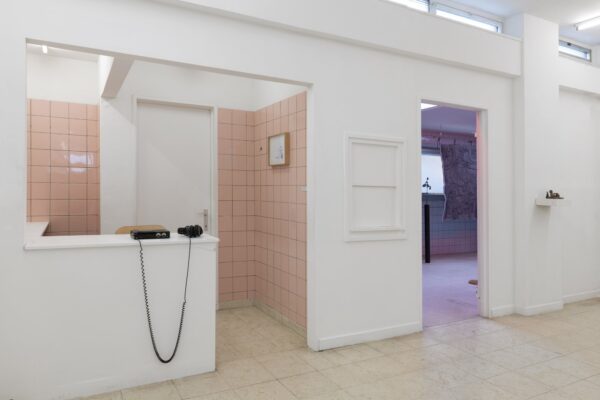
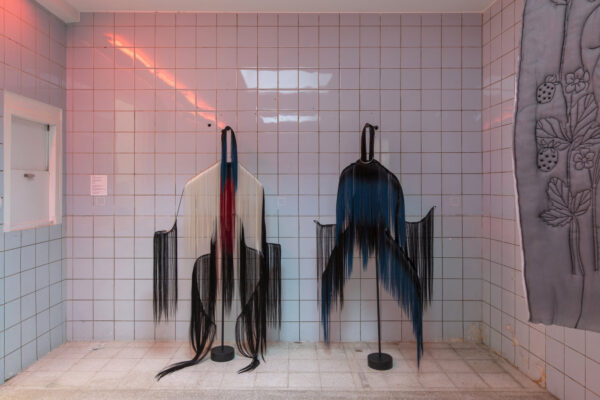
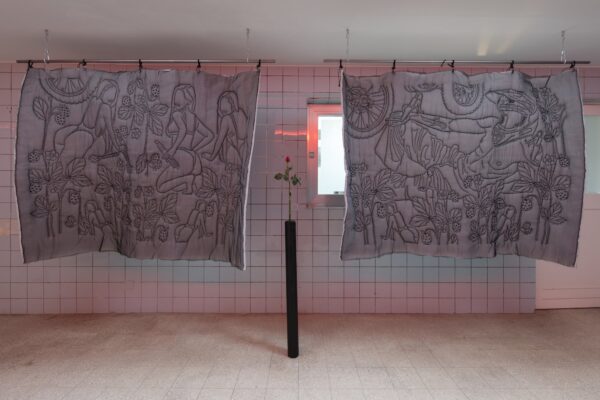
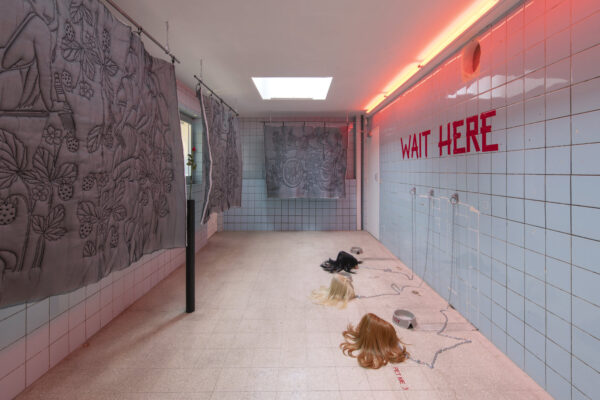
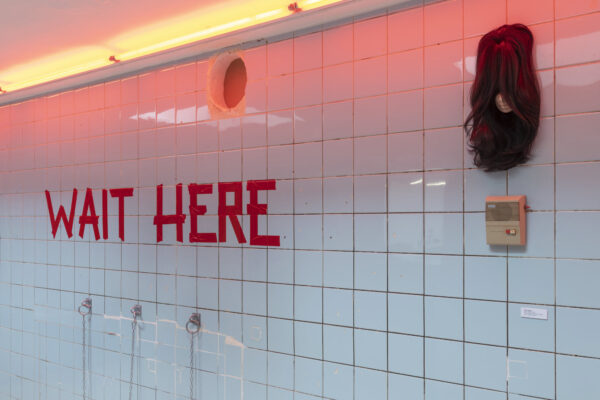
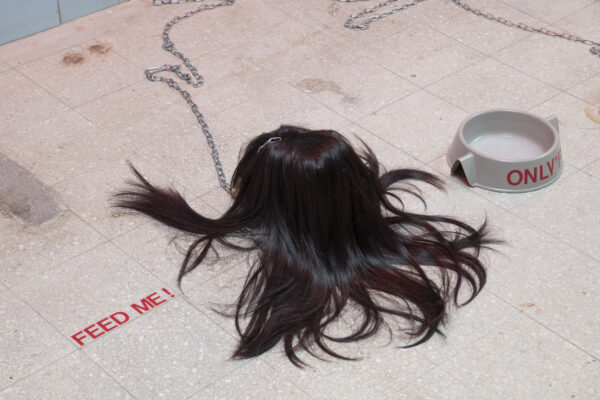
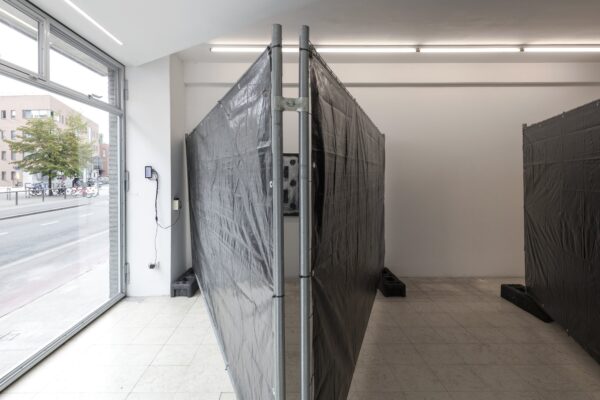
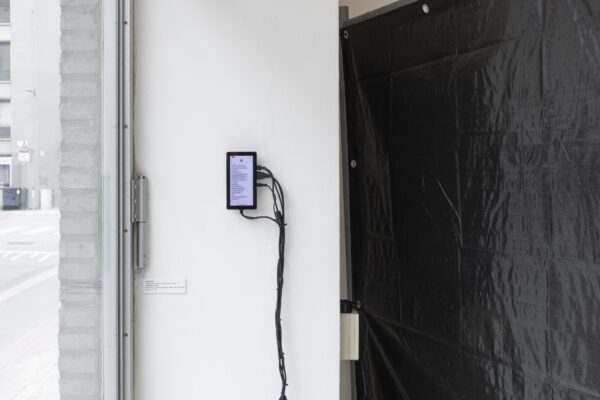
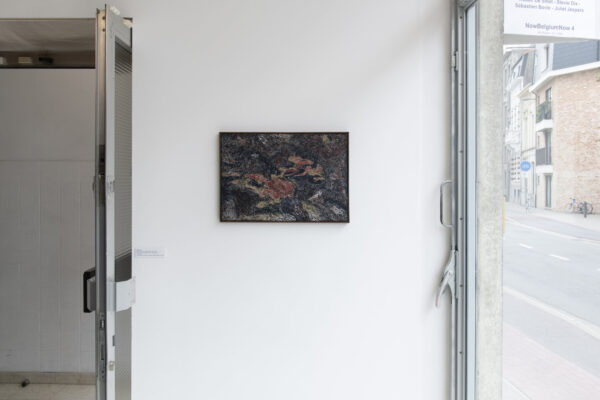
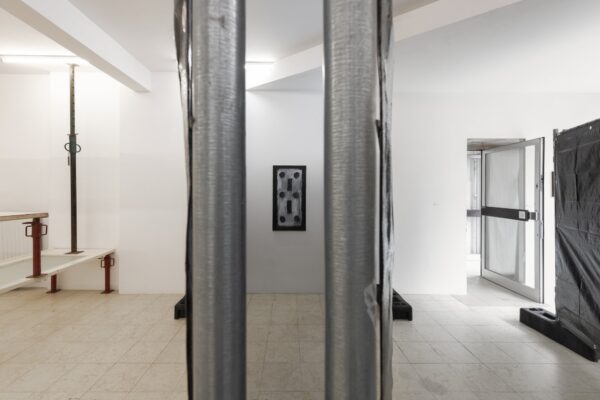
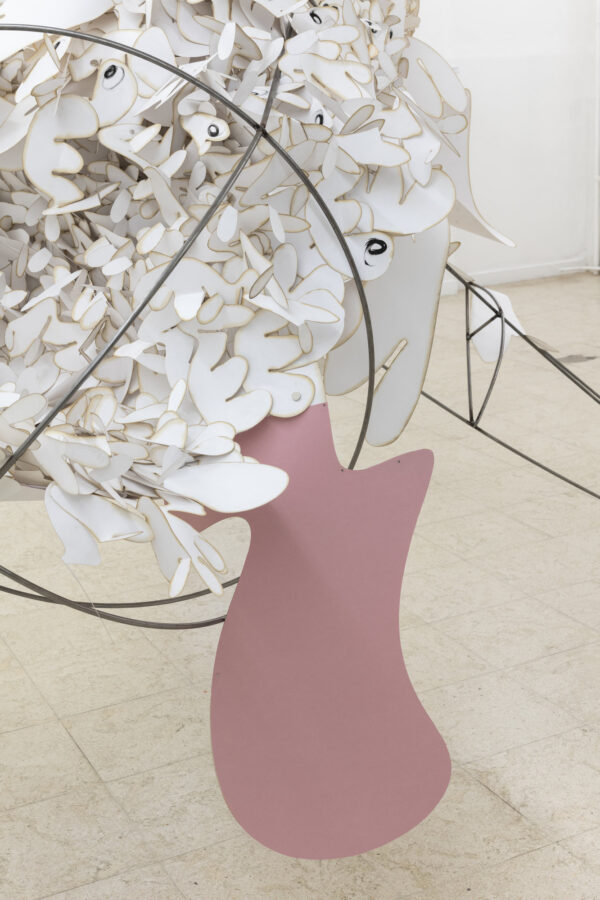
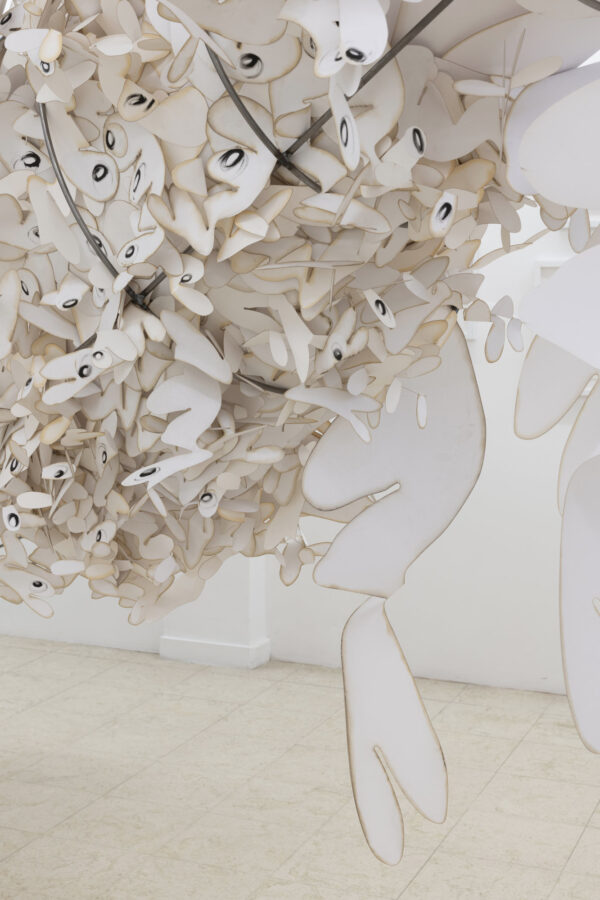
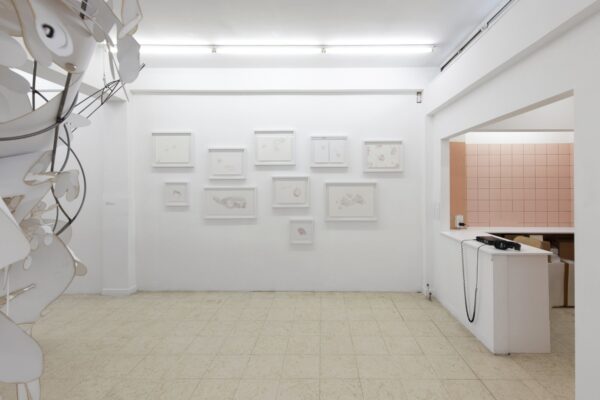
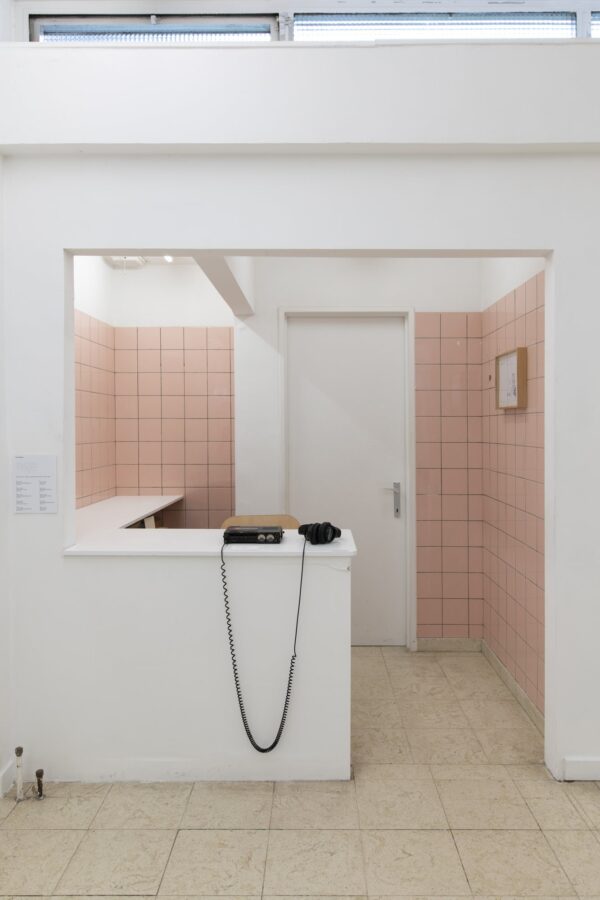
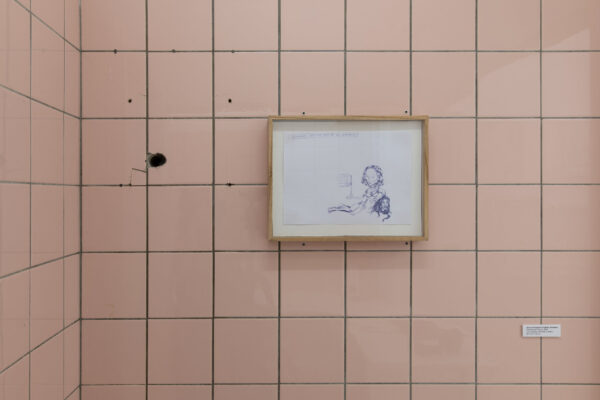
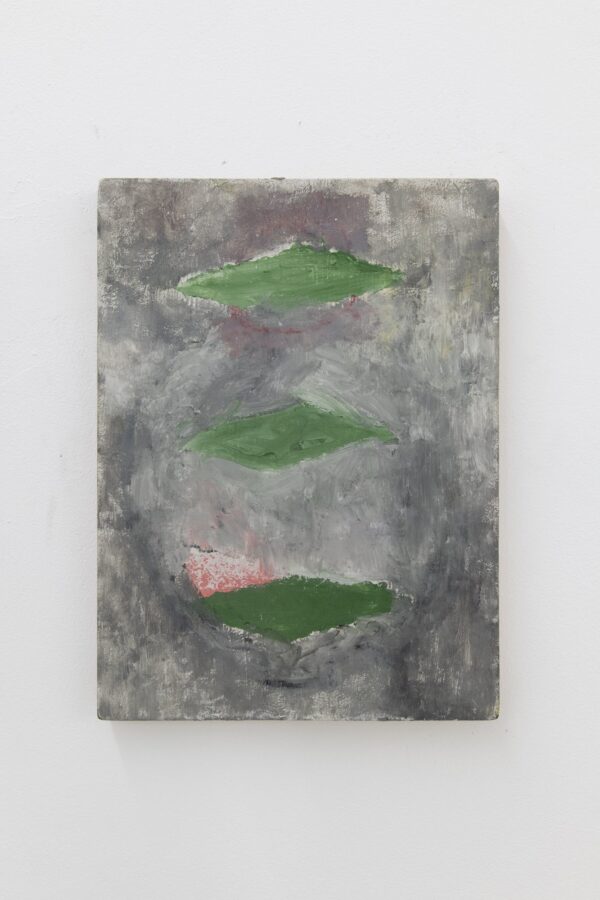
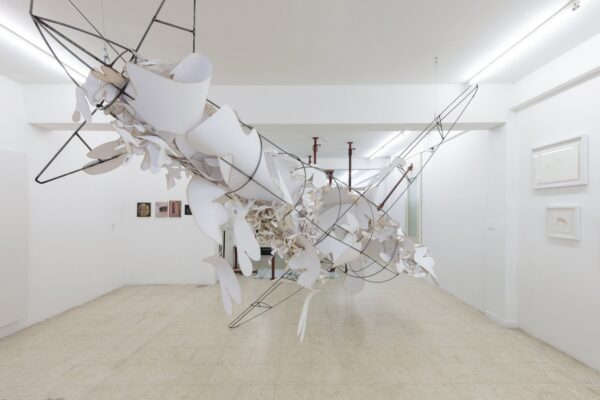
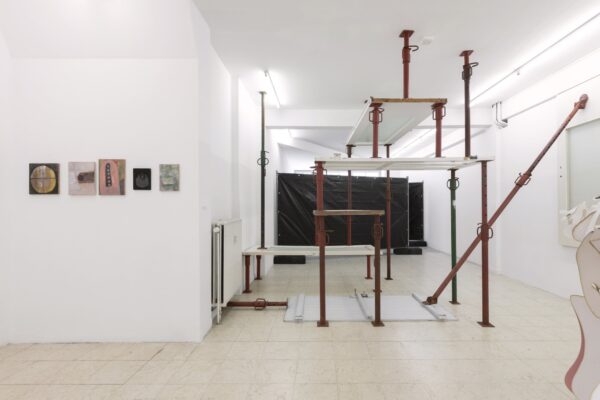
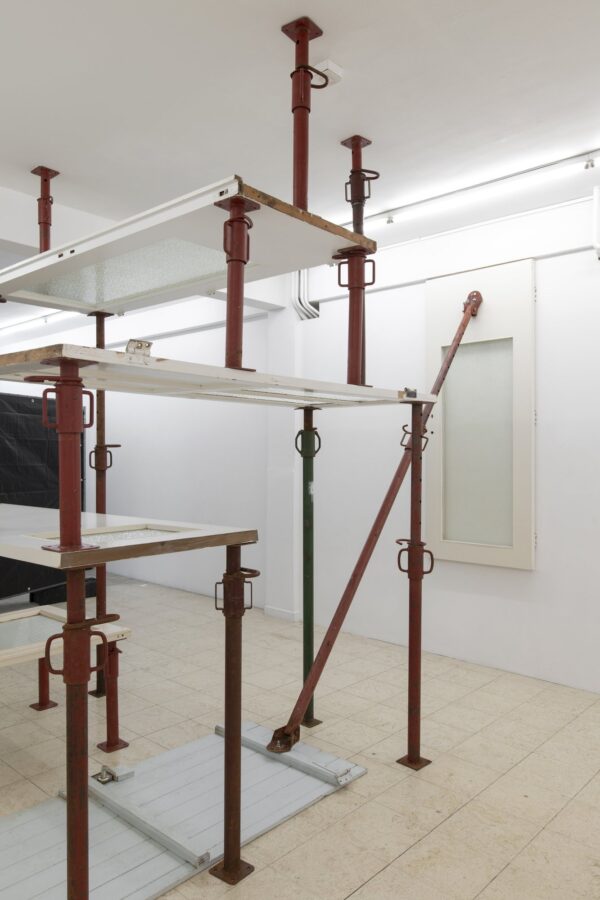
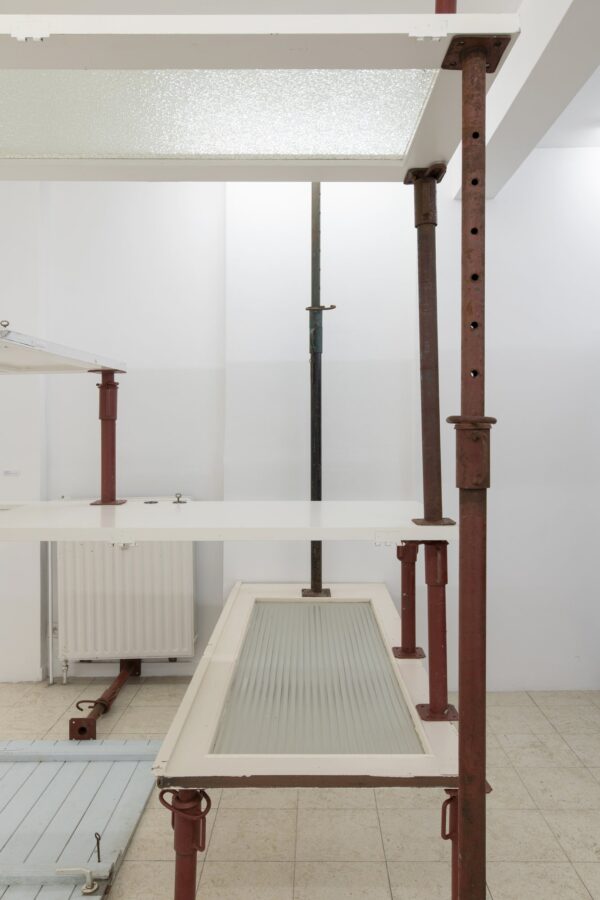
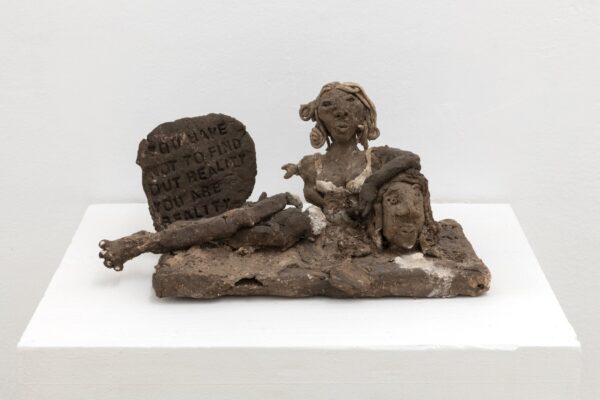
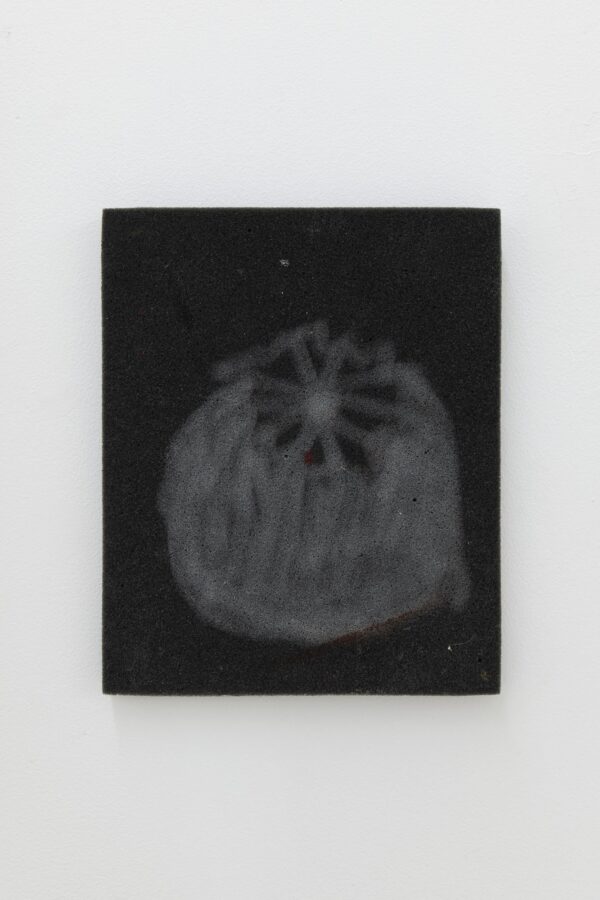
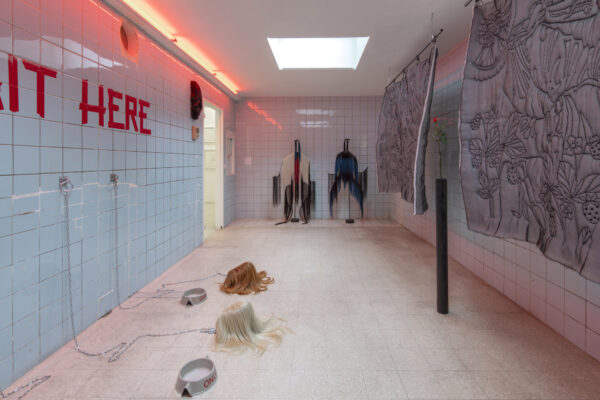
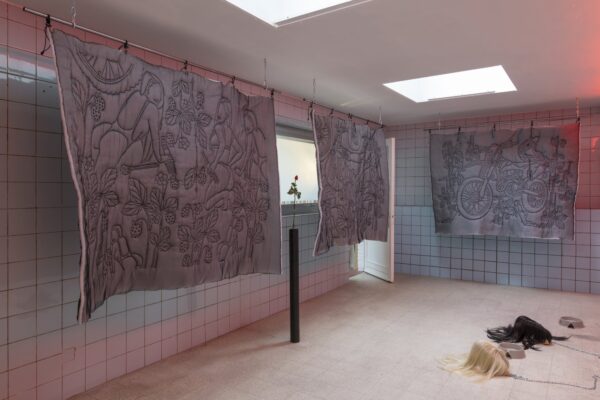
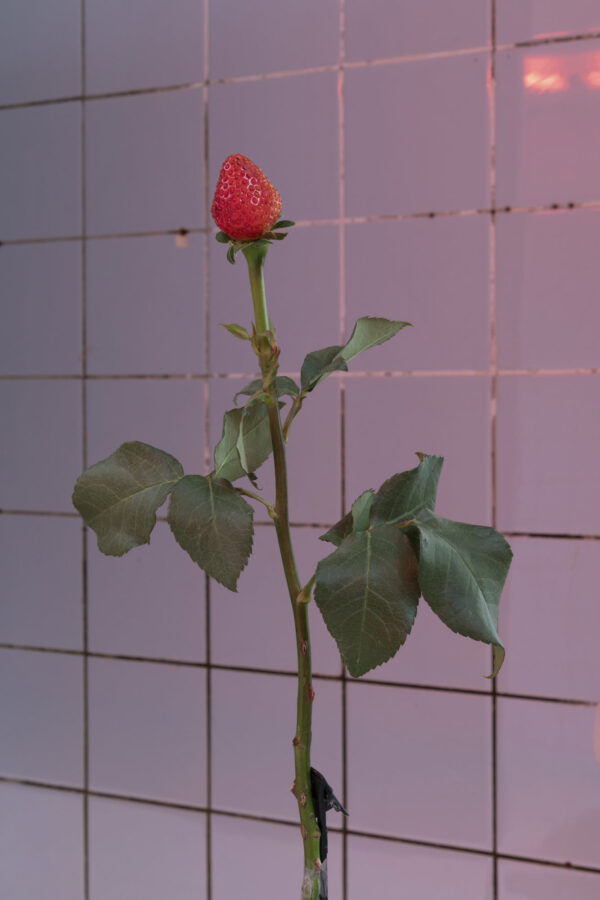
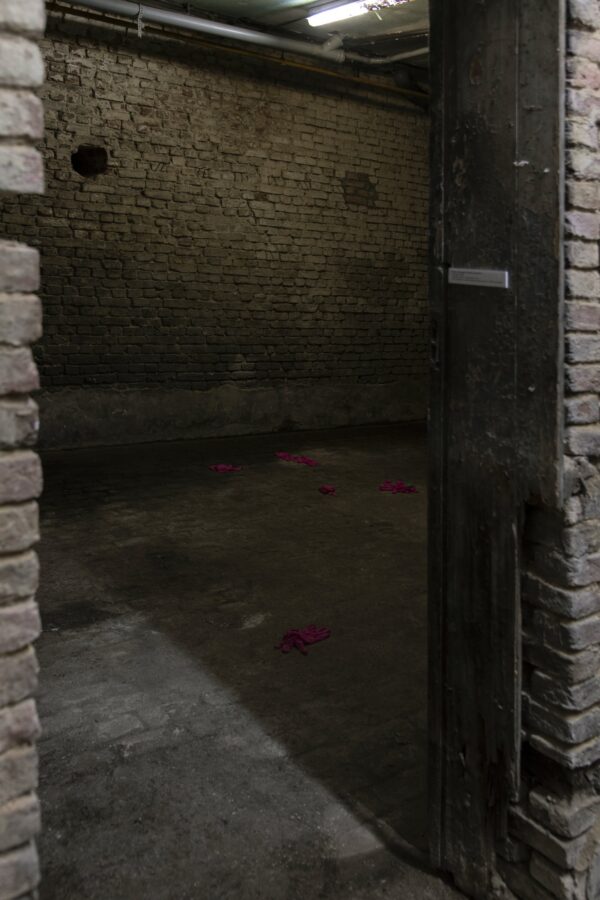
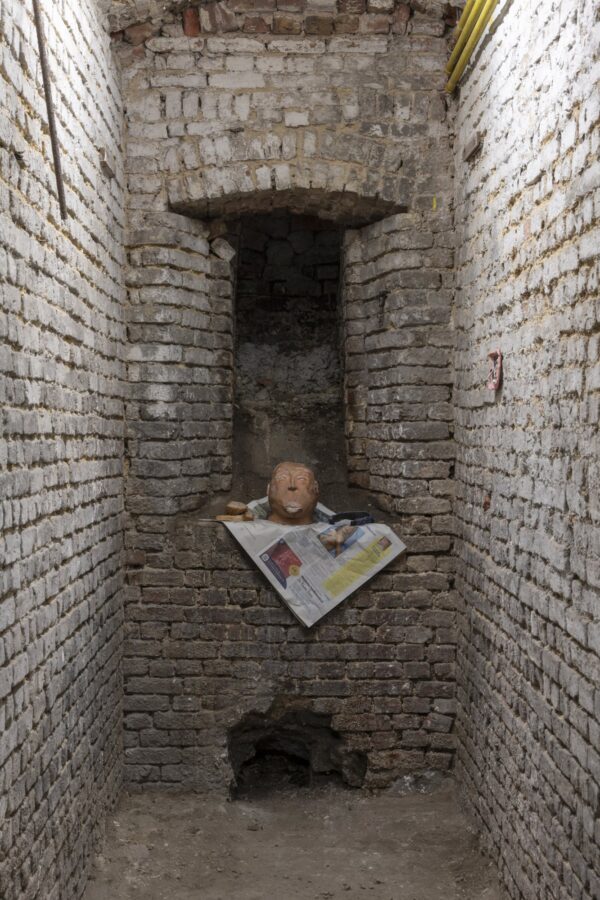
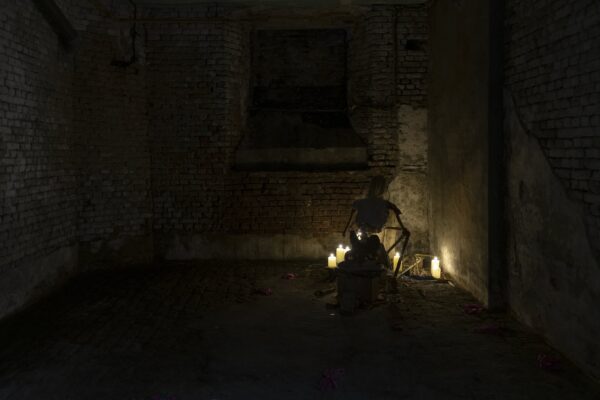
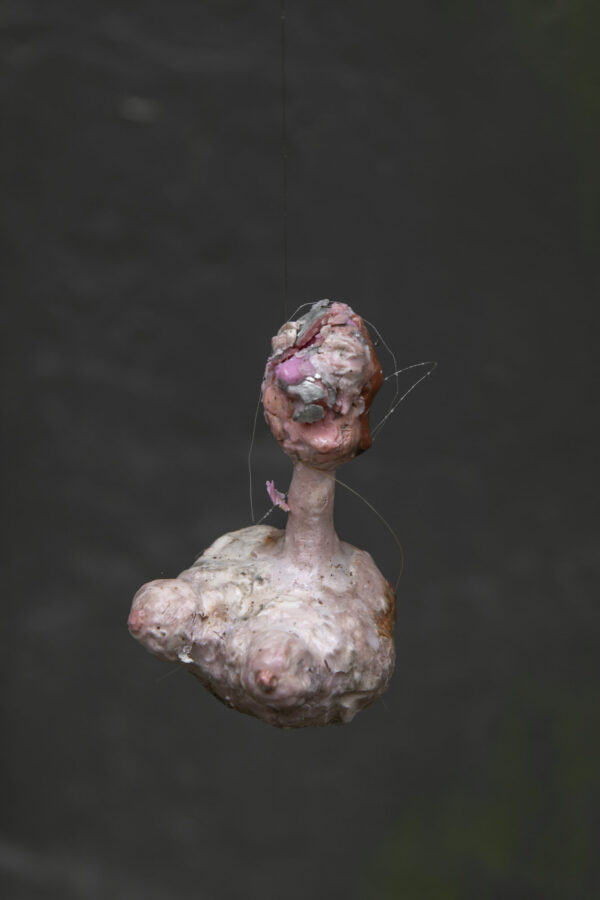
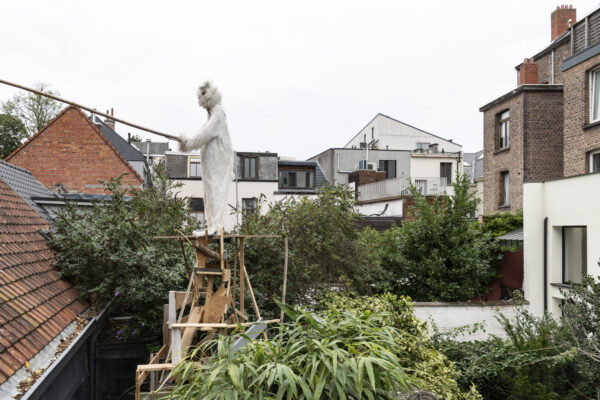
Vlaamse kaai 47, 2000 Antwerp
© Isabelle Arthuis