Mathias Prenen
What We Look at When We Look at a Ghost
2023
Here, Mathias Prenen discusses a range of subjects, ranging from working with urushi (lacquer) and his attitude towards craftsmanship to using historical material and creating dialogue with and around art. The conversation took place at Prenen’s atelier in Brussels in October 2023 with the artist Jo Wu, in the framework of Prenen's exhibition at KIOSK, Upside Down, in light of shadows. The interview was conducted in English; the notes in hanzi came from Wu’s background as a native speaker of Mandarin Chinese.
Jo Wu: Could you share with us how you have approached the space of this exhibition?
Mathias Prenen: I’ve known this space well since I worked here as a student. Architecture is something I use as a raw material in the process of building an exhibition. I want to know the architect and their building ideas in order to bring back a previous memory of the space—a ghost, so to speak, and the traces of time. It involves things that were there or perhaps not there.
JW: The idea of the ghost is intriguing. What are some examples of “things that were there or perhaps not there”? How do you work with historical materials?
MP: I am fascinated by the kanji 幽 (Chin.: yóu; Jap.: yū) that writes like a mountain in hanzi. It is used to describe a ghost and the impression of deepness and quietness. In Japanese they use it for “dungeon” as well as to describe the quality of urushi, the deepness you see in its numerous layers.
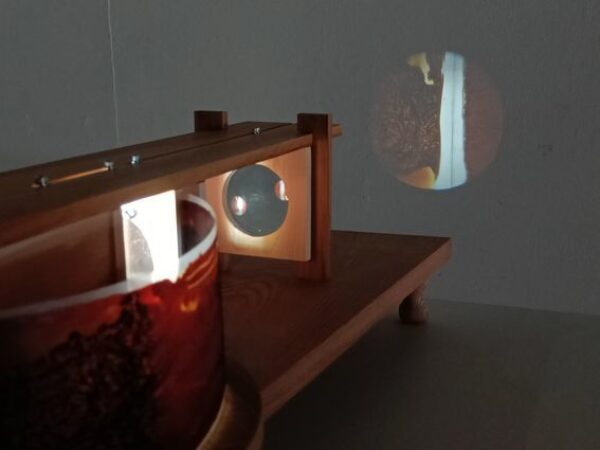
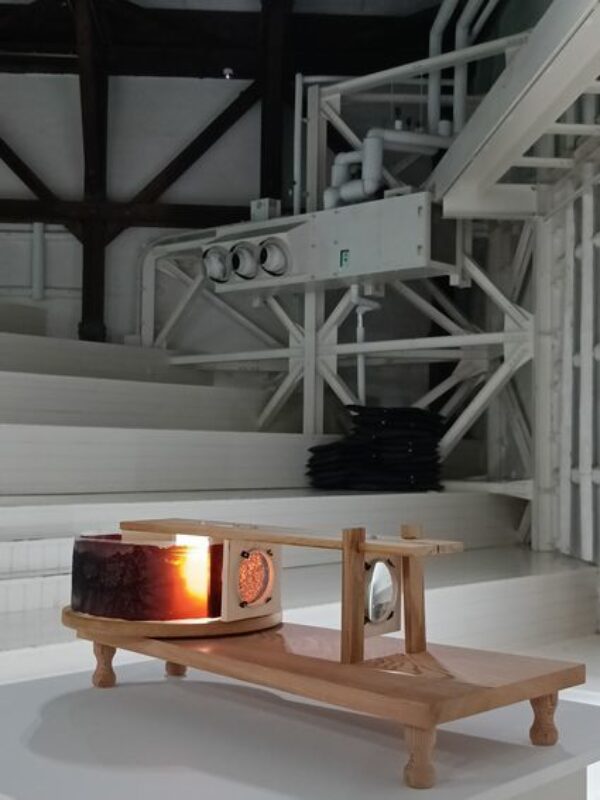
In the exhibition, I explore this through projections. Putting light in the window, with the projector giving very strong light, I get an image. That image, for me, is this pure 幽 idea. Like 幽靈 (Jap.: yūrei, ghost)—making the ghost visible, having dialogue with it, is my work. I'm just trying to show it, but without an object. There is no object nor shape. There’s just color, image, and light. That’s the idea of a ghost.
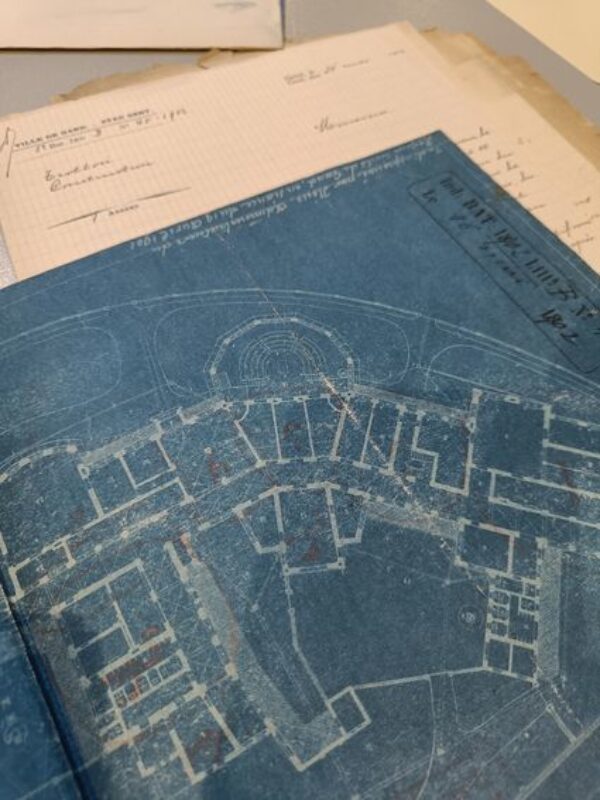
The KIOSK space was first made to be like a circus with an auditorium, which is demolished now. The sketches in archive suggest that the architect’s ideas kept changing—in one sketch there’s a plan to build a winding staircase, and in a drawing made later it becomes a normal staircase. Eventually, it’s unclear if a staircase was ever built. I find that evolution interesting and similar to my way of working.
JW: How do you approach making a sculpture?
MP: My starting point is akin to that of fashion designers, who make very fast sketches of a model’s silhouette. It can be as simple as five lines, but they do it again and again, repeatedly, to get it right. I too keep drawing to think about how it could work, again and again. If certain elements keep coming back in every sketch, they will be the ones I make first. Sketching functions as a test to see if the element works in various situations. Eventually, I completely withdraw the sketches and start building.
JW: I am tempted to associate the act of completely withdrawing from sketches and plans to the title you gave to the show: Upside Down, in light of shadows. Both seem to suggest switching from one perspective to a totally opposite view. Are they related, and where does this originate from in your practice?
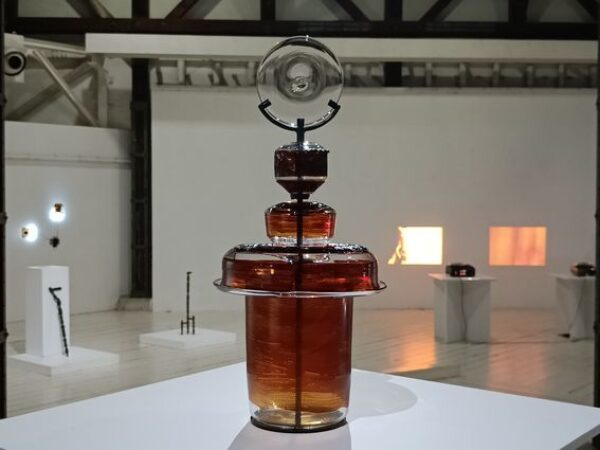
MP: In the show, there’s the play of light, imagery, and their effect with the sculpture as well as with the space. I want to create a tautological situation with light. The exhibition will be cinematic and architectural. I want that context of looking to determine the view, atmosphere, and way of walking through the exhibition.
I am inspired by Junichiro Tanazaki’s book In Praise of Shadows (1933) and its discussion of the challenge of viewing traditional Japanese objects under modern Western electronic lighting. The tense cohabitation of objects or elements with different taxonomical origins intrigues me. There is something very beautiful about looking for ways to integrate things that come from different places.
JW: Do you focus on the contrasts they present?
MP: I prefer “unlikely relationship” to “contrast” because it’s softer and describes the status quo, a state of cohabitation, instead of suggesting that things are not completely right.
Turning things upside down is an act of letting go. This is how I regard the spirit of craftsmanship: a dedicated attitude towards material or technique that cannot work without curiosity, letting go, and stopping. To turn things upside down, one has to be able to let go, look at things differently, and not be scared of destroying things. People often think of craftsmanship in terms of products, but I think it is a willingness to dig into a material or technique and explore it beyond its face value. It’s an attitude for approaching this world.
JW: Urushi is the material and craft you’ve been exploring and will present your research on for the first time in Belgium in this show. Could you briefly introduce it to anyone who has not heard of it?
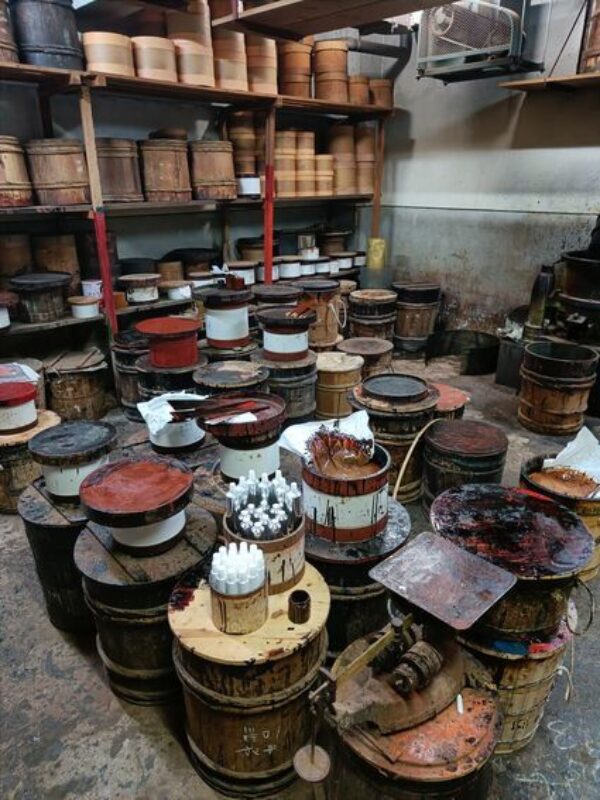
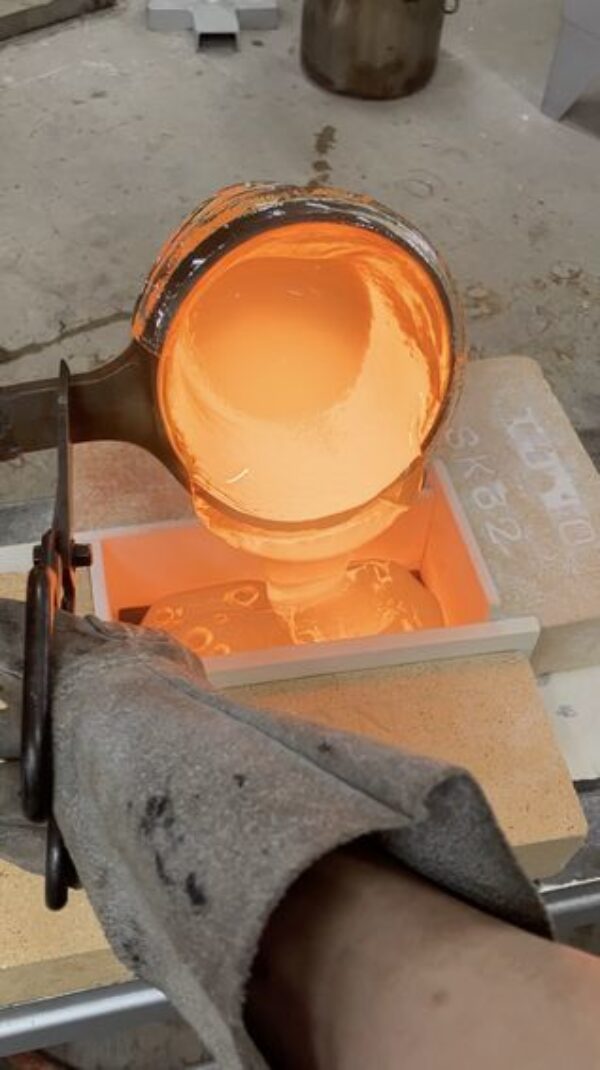
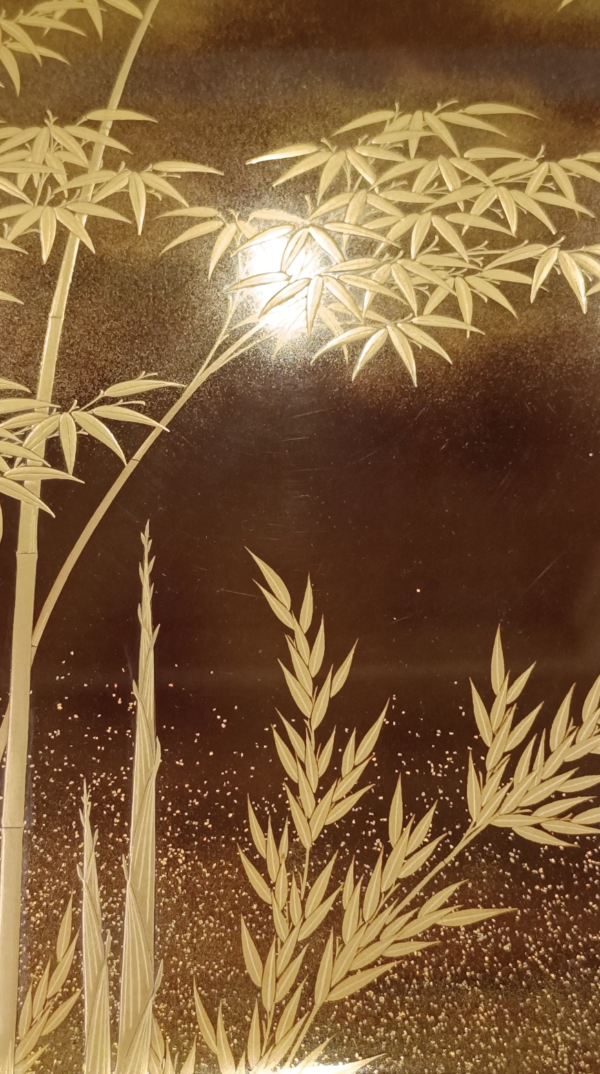
MP: The lacquer urushi is a resin from poison ivy or oak called toxicodendron vernicifluum. It is a polymer that hardens depending on climate conditions. You apply it to wood and let it dry in a drying box where humidity and temperature are controlled, and the mastery lies in manipulating a faster or slower drying surface. You apply one layer and wait for an average of twenty-four hours for it to dry, and an object usually contains around fifty layers, making it a time-consuming process. You check the dryness and measure the temperature constantly in between stages. The result is a wood finish that almost looks like glass, and when you touch it, you feel a softness to it.
JW: Throughout your journey of handling this material and mastering this craft, when did you encounter moments of “letting go” or destroying things or rules?
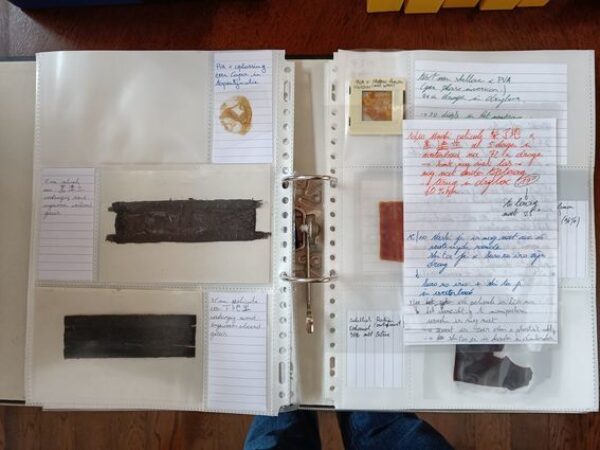
MP: Urushi is a craft deeply rooted in Japanese identity. It is traditionally used in making functional ware like soup bowls and so on, but today urushi artists are searching for contemporary expressions too. When I first arrived in Japan as an exchange student, I simply wanted to learn the technique. Later, I felt I couldn't really make anything with it while many were shape to things with a function. And I usually work with large-size sculpture, which would use a large quantity of urushi, and urushi is a very expensive material. Overall, I didn’t know how to continue with it until there came a moment when—I didn’t know exactly what happened—I left my urushi-mixing glass plate with a little bit of urushi on it without much attention. I couldn’t get the already dried urushi off the plate and it created a shrink line I found extremely beautiful. Such shrinkage, or chijimi (縮み) in Japanese, is generally regarded as imperfection and something wrong in the traditional aesthetic of shunkei-nuri (春慶塗). I took the plate to the sink and the piece of urushi came off due to its hydrophobic quality. I examined it under the light and saw multiple patterns. That’s when I started exploring urushi with light. Urushi and light have a very ambiguous relationship in the tradition.
JW: What do you mean by ambiguous relationship?
MP: In Japan, a lot of the objects made before the twentieth century were not made to be looked at underneath electric bright light. They were seen in small spaces with limited light. A lot of traditional houses in Japan have multiple layers from the outside to the inside, and so objects can be displayed in a space that gets darker gradually throughout a day. Urushi is UV-sensitive and can discolor when exposed to light, so it’s a love-hate relationship: you do need certain amount of light to show the object but too much would destroy it. Often, the flirtation between light and material is played out in certain techniques using silver and gold like maki-e (蒔絵).
JW: Why is it important to create a whole context, including transforming the architectural element, to exhibit your sculpture? Did that come from the feedback of a Japanese audience when you were in Japan?
MP: I’ll use a quotation to explain my sculptural approach. Rosalind Krauss [l wrote a famous line regarding this issue. She says, “And so we stare at the pit in the earth and think we both do and don't know what sculpture is.” You can look at it and say it's sculpture but it's also just a garden with a pit in it. It’s a very vague, broad idea of sculpture.
When I was graduating from my exchange program in Japan, after the discovery of light and urushi, I made my final work with 160 images of framed resin running through two carousel projectors. My professor, an urushi authority, came in and asked: Urushi (no) mono ha doko desu ka? ("Where are your urushi objects?"). He emphasized the word mono (thing). I pointed to the projector and said, “This is it.” The professor said, “No, these are images!” I replied, “No, it's urushi!” The debate began and our discussion went on until recently.
Working with such an old tradition, I felt that having a full understanding of where it comes from was my responsibility. I have a tremendous amount of respect for the tradition but find its dogmatic side can restrict artistic freedom and creativity. With this exhibition, I want to ask the audience: Is there agency outside of material? Does a material mean something outside of where I come from, where you come from, where we are together? I often find many discourses to be too much about where we are from instead of where we are together now. It’s also related to network of cohabitation.
JW: Do you have a simpler or more specific way to translate this abstract idea?
MP: Like a tree out there is a tree out there. It is just there. It doesn't mean anything, but we make it mean something because that’s how we interact with each other. If we start to look at things this way, we can learn a lot from what we are both looking at, which is a thing in itself, a leitmotiv for a shared view. This is something I want to transmit.
JW: And what exactly are you searching for?
MP: Peaceful ways of coming together, maybe. In the end, craftsmanship is about people. For me, urushi is a way of coming together, a common ground. I dare to be critical of the tradition because I think it’s necessary—otherwise I wouldn’t have encountered the question “Where is the urushi object?” Stirring up conversation is exactly what art should do. An artwork is there to be talked about. It has to do something to you, move you, make you think, or make an impact that lasts. I think my pieces are finished when someone starts to talk about them. And the work is a little smarter than me. It comes to say something to me, like Pygmalion’s statue of his dream woman coming to life and speaking to him. That’s when I think a sculpture is finished. It’s a very romantic idea.
ここで、マティアス・プレネンは、漆を使った作業や職人技に対する姿勢、歴史的な素材を使用し、アートとの対話を生み出すことについて幅広いテーマを語っています。この会話は、2023年10月にブリュッセルのプレネンのアトリエで、アーティストのジョウ・ウーとの間で行われました。この対話は、プレネンのKIOSKでの展示『Upside Down, in light of shadows』の一環として行われました。
ジョウ・ウー:
この展示空間へのアプローチについて教えていただけますか?
マティアス・プレネン:
この空間は学生時代にここで働いていたので、よく知っています。建築は展示を作る過程で原材料として使うものです。建築家とその建物のアイデアを理解し、空間の過去の記憶を呼び戻したいのです。言うなれば、それは幽霊のようなもので、時間の痕跡です。それは、そこにあったもの、あるいはなかったかもしれないものを含んでいます。
ジョウ・ウー:
幽霊というアイデアは興味深いですね。「そこにあったもの、あるいはなかったかもしれないもの」の例は何ですか?また、歴史的な素材とはどのように取り組んでいるのでしょうか?
マティアス・プレネン:
私は「幽」という漢字に魅了されています。それが、中国の「山」という文字のように書かれています。この漢字は幽霊を表現し、深さや静けさの印象を与えるものとして使われます。日本語では「地下牢」や、漆の深み、何層にも重なる漆の深さを表すためにも使われます。展示では、これを投影を通して探求しています。窓に光を入れ、強い光を投影機で照らすことで画像を得ます。その画像こそが、私にとってこの純粋な「幽」のアイデアなのです。まるで幽霊を可視化し、それと対話をすることが私の仕事です。私はそれを見せようとしているだけで、物体はありません。物体も形もなく、ただ色、画像、光があるのです。これが幽霊の概念です。
KIOSKのスペースは最初、サーカスのような構造で、オーディトリウムを備えていたが、現在は取り壊されています。アーカイブに残っているスケッチからは、建築家のアイデアが変わり続けていたことがわかります。あるスケッチでは、螺旋階段を作る計画があり、後の図面では普通の階段に変わっています。最終的に、階段が実際に建てられたかどうかは不明です。この変化の過程が面白いと感じ、私の作業方法にも似ていると思います。
ジョウ・ウー:
彫刻を作る際、どのようにアプローチしますか?
マティアス・プレネン:
私の出発点は、ファッションデザイナーのやり方に似ています。彼らはモデルのシルエットを素早くスケッチします。それはたった5本の線だけのこともありますが、正しい形を見つけるために何度も繰り返します。私も同じように、何度もスケッチを描きながら形を考えます。もし、ある要素がどのスケッチにも繰り返し現れるなら、それを最初に制作することになります。スケッチは、ある要素がさまざまな状況で機能するかどうかを試すためのものです。最終的にはスケッチを完全に手放し、制作に入ります。
ジョウ・ウー:
スケッチや計画から完全に離れるという行為は、あなたがこの展示につけたタイトル Upside Down, in light of shadows と関連しているように思えます。どちらも、一つの視点からまったく逆の視点へ切り替えることを示唆しているように感じます。これらは関係がありますか?また、この考えはあなたの制作のどこから生まれたのでしょうか?
マティアス・プレネン:
この展示では、光、映像、それらが彫刻や空間に与える影響の間で遊びがあります。私は、光を用いて自己言及的な状況を作りたいと考えています。映画的で、建築的でもある展覧会です。鑑賞の文脈そのものが、視点や雰囲気、そして展示空間の歩き方を決めるようにしたいのです。
私は谷崎潤一郎の『陰翳礼讃』(1933年)から影響を受けており、そこで現代の西洋の電子照明の下で、伝統的な日本の物をどう見るかという問題が語られています。異なる起源を持つ物や要素が共存する緊張感に興味があります。異なる場所から来たものをどう統合するかを探ることには、何かとても美しいものがあると感じます。谷崎潤一郎の『陰翳礼讃』(1933年)に影響を受けています。あの本には、日本の伝統的なものを現代の西洋の電気照明の下でどう見るか、という話が出てくるのですが、それがとても興味深いです。違う背景を持つものが同じ空間に共存する、その緊張感に惹かれますね。異なる場所から来たものをどう組み合わせるかを考えるのは、すごく魅力的だと思います。
ジョウ・ウー:
それぞれが持つ対照に注目していますか?
マティアス・プレネン:
いいえ、「対照」というよりは「ありえなさそうな関係」のほうがしっくりきます。そのほうがもっとやわらかいし、「対立」じゃなくて、ただ共存している状態を表していると思うのです。
物事をひっくり返すというのは、手放す行為だということです。私にとって、職人の精神はそのようなものです。素材や技術に真剣に向き合う姿勢は、好奇心や「手放すこと」、そして「止まること」がないと成り立ちません。ひっくり返すには、一度手放して、違う角度から見て、壊すことを恐れないことが大事です。職人技は、完成品のことを指すわけじゃなくて、素材や技術を掘り下げて、その表面だけを超えたものを探る姿勢だと思っています。世界をアプローチする姿勢です。
ジョウ・ウー:
漆はあなたが探求してきた素材で、工芸ですね。そして今回の展示で、ベルギーで初めてその研究を発表することになります。漆を知らない人のために、簡単に紹介していただけますか?
マティアス・プレネン:
漆は、ウルシの木から採れる樹脂です。ポリマーの一種で、気候条件によって硬化します。木に塗って、湿度や温度が管理された乾燥箱の中で乾かします。速く乾かすか、ゆっくり乾かすかを調整するのが技術のポイントです。一層塗るごとに平均24時間ほど乾かして、最終的に50層ほど重ねるので、とても時間がかかります。途中で何度も乾き具合を確認して、温度も測りながら進めます。仕上がりは、まるでガラスのような光沢があり、触ると独特の柔らかさを感じられます。速く乾かすか、ゆっくり乾かすかを調整するのが技術のポイントです。
一層塗るごとに平均24時間ほど乾かして、最終的に50層ほど重ねるので、とても時間がかかります。途中で何度も乾き具合を確認して、温度も測りながら進めます。仕上がりは、まるでガラスのような光沢があって、触ると独特の柔らかさを感じられます。
ジョウ・ウー:
この素材を扱いながら技術を習得していく中で、「手放す」ことや、何かを壊すこと、あるいはルールを壊すような瞬間はありましたか?
マティアス・プレネン:
漆は日本のアイデンティティに深く根付いた工芸です。もともとは汁椀などの実用品に使われてきましたが、今では漆を使った現代的な表現を模索する作家も増えています。
最初に日本に交換留学で来たときは、ただ技術を学びたかったです。でも、しばらくして「自分には何も作れないかもしれない」と感じました。多くの人が機能的な形を作っている中で、僕は普段、大型の彫刻を手がけているので、大量の漆が必要になります。でも、漆はとても高価な素材です。どう続ければいいのか分からずにいたのですが、あるとき—どう起こったのかはっきりとは覚えていませんが—漆を混ぜるためのガラス板に、少しだけ漆が残ったまま放置してしまいました。乾いてしまった漆を剥がそうとしたのですが、うまく取れなくて、そこに縮みの線ができていました。それがすごく美しいと思いました。こういう縮みは、伝統的な春慶塗の美意識では「失敗」や「欠陥」と見なされるものです。でも、洗い場で水に触れた瞬間、漆の撥水性によってスッと剥がれました。光にかざしてみると、いろんな模様が浮かび上がっていました。そのとき初めて、「漆と光の関係」を探求したいと思うようになりました。漆と光は、伝統的にとても曖昧な関係を持っていました。
ジョウ・ウー:
「あいまいな関係」とはどういう意味ですか?
マティアス・プレネン:
日本では、20世紀以前に作られた多くの物は、明るい電気の光の下で見ることを前提に作られていませんでした。それらは限られた光の中で、狭い空間で見られていました。日本の伝統的な家屋には外から内にかけて複数の層があって、物は一日を通して徐々に暗くなる空間で展示されることが多かったのです。漆はUVに敏感で、光にさらされると色が変わることがあります。だからこそ、愛憎関係です。ある程度の光は物を見せるために必要ですが、あまりに多すぎるとそれを破壊してしまいます。しばしば、光と素材との戯れは、蒔絵のように銀や金を使った技法の中で表現されます。
ジョウ・ウー:
なぜ彫刻を展示するために、建築的な要素を変えることを含む、全体的なコンテキストを作り上げることが重要なのですか?それは日本で日本の観客からのフィードバックから来たものですか?
マティアス・プレネン:
ちょっと引用を使って、僕の彫刻のアプローチを説明します。ロザリンド・クラウスがこの問題について有名な一文を書いています。「だからこそ、私たちは地面の穴を見つめ、それが彫刻であるとも、そうでないとも思うのです。」その穴を見て、「これは彫刻だ」と言えるかもしれないし、「ただの庭に空いた穴だ」とも思える。彫刻というものは、とても曖昧で広い概念です。日本での交換留学が終わる頃、光と漆の関係を発見した後に、最終作品として、フレームに入れた樹脂の160枚の画像を2台のスライドプロジェクターで投影する作品を作りました。そこに漆の権威である教授が来て、「漆のものはどこですか?」と聞きました。特に「もの」という言葉を強調していました。私はプロジェクターを指さして「これです」と答えました。でも教授は「いや、これは画像ですよ!」と言いました。私は「いや、これは漆です!」と反論して、そこから議論が始まりました。その話し合いはつい最近まで続いていました。こういう古い伝統に関わるから、その背景をきちんと理解するのは自分の責任だと思っていました。伝統には深い敬意を持っていますが、その中の教条的なことが芸術的な自由や創造性を制限してしまうこともあると感じています。この展示を通して、観客に問いかけたいのは、「素材の外側にエイジェンシーはあるのか?」ということです。素材は、自分の出身地、あなたの出身地、そして今ここにいるこの場を越えて、何かを意味するのでしょうか?『今ここで共にいること』について考える代わりに、多くの議論が『どこから来たのか』に集中しすぎていると感じることがあります。それは、共存のネットワークともつながる話です。
ジョウ・ウー:
この抽象的な考え方を、もっと簡単に、または具体的に伝える方法はありますか?
マティアス・プレネン:
外にある木みたいなものです。あれはただそこにあるだけです。それ自体には意味はないけれど、私たちが互いに関わることで、意味を作り出しています。もし物事をこう見るようになれば、お互いが見ているものからたくさん学べると思います。それはそれ自体のものとして、共通の視点のためのライトモチーフとなります。
ジョウ・ウー:
具体的には何を探しているのですか?
マティアス・プレネン:
もしかしたら、平和的に結びつく方法を探しているのかもしれません。結局、工芸は人々のことです。私にとって、漆は結びつく方法、共通の基盤です。伝統に批判的であることは、必要だと思うからです—さもなければ、「漆の物はどこですか?」という質問には出会わなかったでしょう。議論を巻き起こすことこそ、アートがすべきことだと思います。アートは話題にされるために存在するのです。それはあなたに何かをさせる、あなたを動かす、考えさせる、あるいは長く残る影響を与えるものでなければなりません。私の作品は、誰かがそれについて話し始めたときに完成したと感じます。そしてその作品は、私より少し賢いです。それは私に何かを言いに来る、まるでピグマリオンの夢の女性像が生きて私に話しかけてくるように。それが私が彫刻が完成したと感じる瞬間です。とてもロマンチックな考えです。